
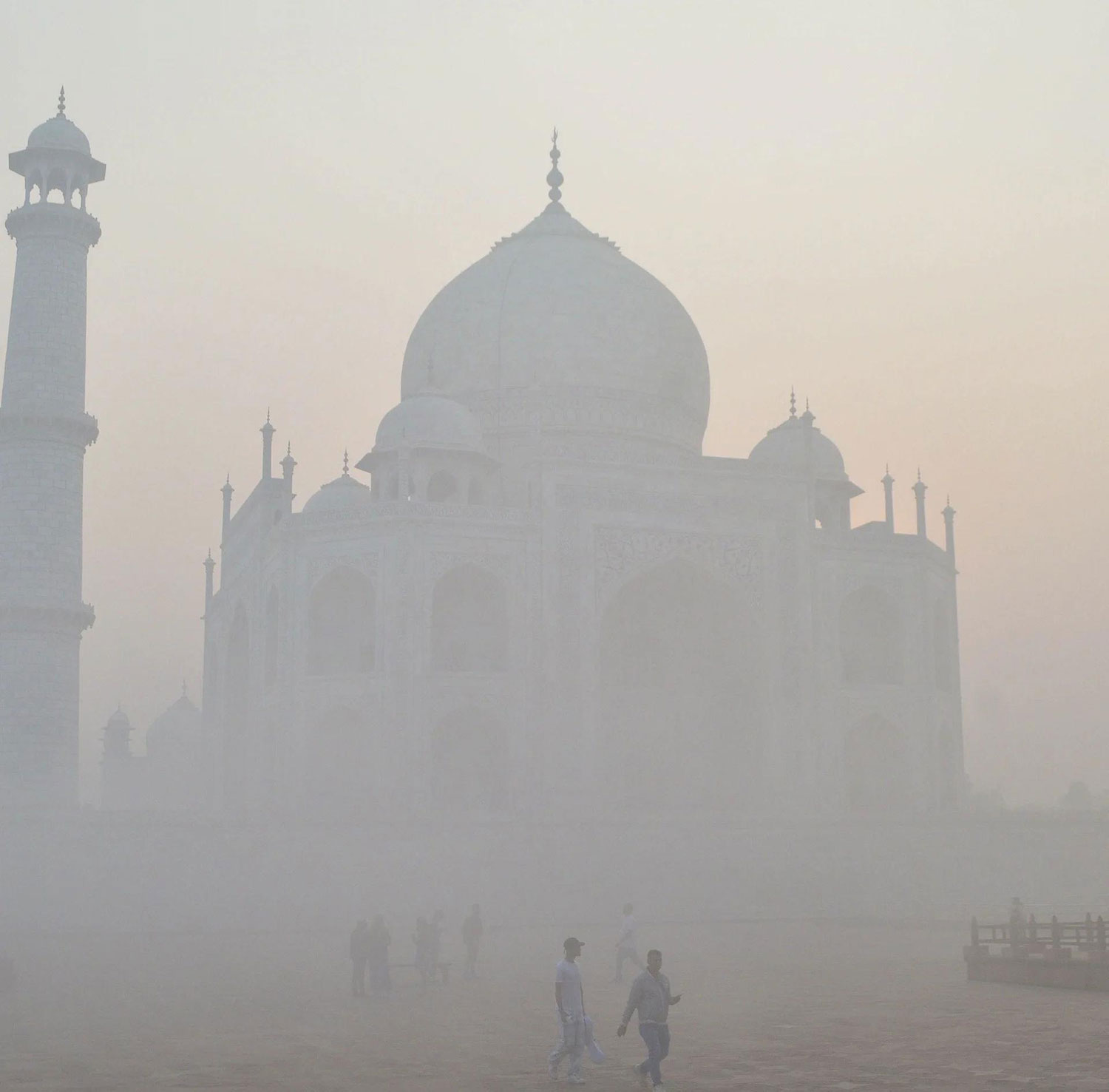
World Air Quality Report: Ranking of Most Polluted Cities & Why Air Quality is Critical
According to the latest 2024 World Air Quality Report released by Swiss air quality technology company IQAir, the global air pollution situation remains severe, with only a handful of countries and regions meeting the World Health Organization (WHO) PM2.5 air quality safety guidelines. The report reveals the ranking of the world’s most polluted cities and sounds the alarm once again for the protection of respiratory health.
Global Pollution Hotspots: 2024 Ranking of Most Polluted Major Cities
Based on data analysis from over 30,000 monitoring stations across more than 130 countries, the report lists major cities with the highest annual average PM2.5 concentrations (data up to early 2024). Notably, pollution centers are concentrated in South and East Asia:
Lahore, Pakistan – Topping the list again, with annual average PM2.5 concentrations dozens of times above safety limits.
Delhi, India – Industrial emissions, vehicular exhaust, and seasonal agricultural burning keep the capital region shrouded in persistent pollution.
Dhaka, Bangladesh – Rapid urbanization and industrial development contribute to a severe air pollution burden.
Mumbai, India – The coastal metropolis also faces significant challenges.
Beijing, China – Despite notable improvements in recent years due to governance efforts, winter meteorological conditions can still lead to elevated pollution levels.
Furthermore, cities in Central Asia, Southeast Asia, and the Middle East also rank highly. In contrast, cities in Iceland, Finland, and New Zealand consistently maintain excellent air quality.

Why is Air Quality So Important? A Health Crisis Beyond Breathing
The WHO has termed air pollution a “silent public health emergency.” Its importance extends beyond the environment, profoundly impacting every individual:
Direct Impacts on Health:
Respiratory Diseases: Exacerbates asthma, chronic obstructive pulmonary disease (COPD), and increases lung cancer risk. PM2.5 can penetrate deep into alveoli and enter the bloodstream.
Cardiovascular System: Leads to increased incidence and mortality from heart disease, stroke, and hypertension.
Development & Reproductive Health: Affects children’s lung development and can contribute to adverse birth outcomes like preterm birth and low birth weight.
Other Diseases: Growing scientific evidence links air pollution to diabetes and neurological disorders (e.g., Alzheimer’s disease).
Broad Socioeconomic Impacts:
Productivity Loss: Employee absenteeism and reduced work efficiency due to illness create significant economic losses for businesses.
Healthcare Burden: National public health systems bear a heavy cost treating pollution-related diseases.
Exacerbated Inequality: Vulnerable groups and low-income communities are often exposed to higher pollution levels, worsening social injustice.
From Outdoors to Indoors: Air Purification Becomes a Modern Necessity
The report notes that people spend approximately 90% of their time indoors, where pollution levels can be 2 to 5 times higher than outdoors. Pollutants infiltrate indoors through ventilation systems, doors, and windows, combined with indoor sources like building materials, cooking, and cleaning products, creating a complex indoor air environment.
“In the face of global outdoor air pollution challenges, which require systemic policy solutions, individual action within the indoor space—the environment we have the most control over—is critical,” said the Chief Technology Officer of [Insert Your Company Name Here]. “Creating a clean, healthy indoor micro-environment is the most direct and effective step to protect the health of families and employees.”
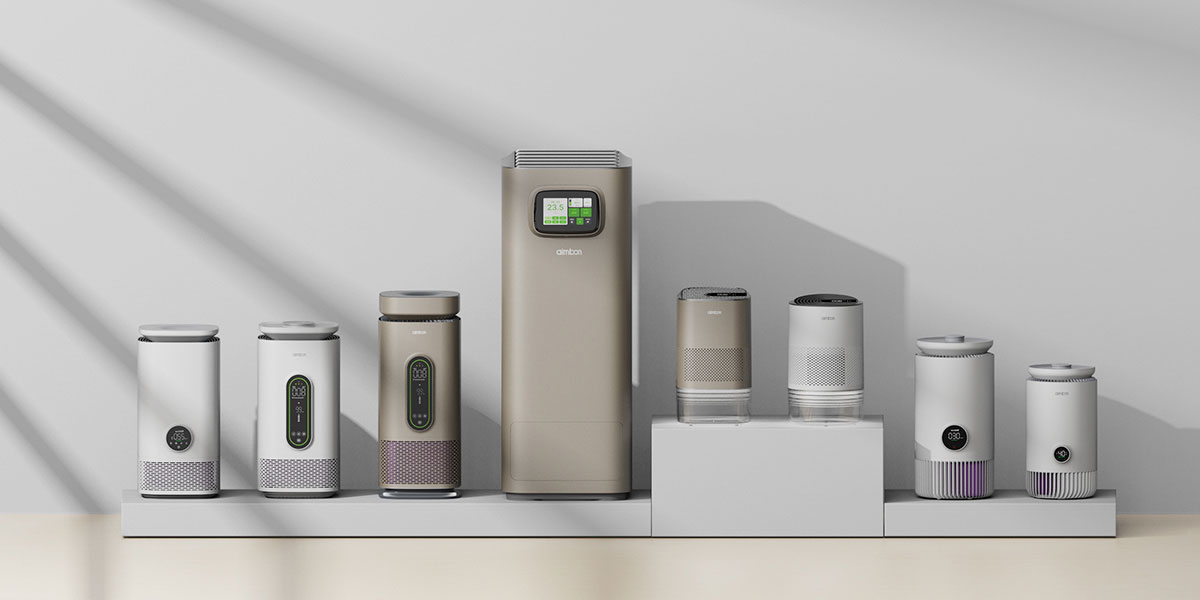
This is precisely where advanced air purifiers play a central role. Modern air purification solutions, especially those equipped with true HEPA H13 or H14 filters, large activated carbon layers, and intelligent sensors, can:
Efficiently capture ultrafine particulate matter (PM2.5, PM0.1), effectively blocking the intrusion of outdoor pollution.
Adsorb and break down harmful gases and odors like formaldehyde and TVOCs, creating a safer breathing environment.
Monitor and purify automatically in real-time, maintaining consistently good indoor air quality through smart modes.
Looking Ahead: The Need for Action is Urgent
The IQAir report clearly shows that improving air quality is a protracted battle requiring global cooperation. It necessitates stricter emission standards and green energy development by governments, as well as increased awareness and proactive protective measures by businesses and individuals.
For health-conscious families and businesses, investing in a reliable, high-performance air purifier is no longer a luxury but a necessary investment in foundational quality of life and long-term health—much like a water purifier. When the larger environment cannot be immediately changed, safeguarding every breath in one’s own space is the most tangible protection one can offer oneself and loved ones.
Aimbon is committed to providing professional indoor air purification solutions, helping you and your family or employees build a solid line of defense for respiratory health in urban life.
About the Data Source: This article primarily references the IQAir 2024 World Air Quality Report. For more details, visit their official website.