Breathe Easy, Sleep Deeply: How Air Quality Directly Impacts Your Sleep Health
We often focus on mattress comfort, room darkness, and a quiet environment for good sleep, but one invisible factor is equally critical: the air you breathe while you sleep. Scientific research increasingly shows that indoor air quality is a major determinant of sleep quality and overall health. This article explores the direct link between the air in your bedroom and your sleep, and how using an air purifier can be a transformative tool for achieving more restful nights.
The Science of Sleep and Breath: Why Clean Air Matters
During sleep, your body undergoes repair and restoration. However, breathing polluted air forces your respiratory and immune systems to work harder, disrupting these vital processes. The American Lung Association confirms that cleaner air leads to fewer respiratory irritants, allowing for more peaceful and continuous sleep.
Key pollutants that sabotage sleep include:
Fine Particulate Matter (PM2.5): These microscopic particles from traffic, smoke, and dust can penetrate deep into the lungs and even enter the bloodstream.
Allergens: Dust mite debris, pet dander, and pollen are common triggers for allergic reactions.
Volatile Organic Compounds (VOCs): Emitted from paints, cleaning products, and furniture, these gases can cause irritation.
Carbon Dioxide (CO2): In poorly ventilated rooms, CO2 levels can build up from exhalation.
How Poor Air Quality Disrupts Your Sleep: The Negative Impacts
Increased Sleep Disruption and Apnea: Pollutants like PM2.5 cause airway inflammation and nasal congestion, making breathing more difficult. This can worsen conditions like snoring and obstructive sleep apnea (OSA), leading to frequent micro-awakenings that fragment sleep architecture. A study highlighted by the Sleep Foundation found that exposure to higher levels of nitrogen dioxide (NO2) and PM2.5 was linked to a 60-90% higher chance of experiencing low sleep efficiency.
Reduced Sleep Efficiency and Duration: Research published in Sleep Medicine Reviews indicates a clear correlation between exposure to air pollution and decreased time spent in deep, restorative sleep stages. Your body spends less time in the physical repair (deep sleep) and memory consolidation (REM sleep) phases, leaving you feeling unrefreshed.
Triggering Allergies and Asthma Nighttime Symptoms: Allergens in the bedroom are a prime culprit for nighttime coughing, sneezing, and wheezing. These symptoms directly interrupt sleep continuity. Maintaining clean air is a cornerstone of managing nocturnal asthma and allergy symptoms.
Affecting Overall Health and Next-Day Function: Chronic poor sleep due to air quality doesn’t just cause fatigue. It’s linked to long-term risks like impaired cognitive function, weakened immune response, and increased risk for cardiovascular and metabolic diseases.

The Benefits of Clean Air for Sleep: A Path to Restorative Rest
Improving bedroom air quality reverses these effects:
Deeper, Less Fragmented Sleep: With fewer irritants, your breathing remains smooth and uninterrupted, allowing you to cycle normally through deep and REM sleep stages.
Reduced Allergy and Asthma Symptoms: Removing triggers means fewer nighttime awakenings due to congestion or coughing.
Improved Oxygenation: Cleaner air with lower CO2 levels supports better oxygen uptake, which is vital for cellular repair during sleep.
Enhanced Overall Well-being: Consistent, high-quality sleep strengthens the immune system, improves mood, sharpens focus, and supports long-term health.
Actionable Tips for a Sleep-Friendly Bedroom Environment
Make the Bedroom a Clean Air Sanctuary: Use an air purifier consistently, especially for 2-3 hours before bedtime and throughout the night. Keep doors and windows closed while it runs for maximum efficiency.
Practice Source Control: Avoid aerosols, scented candles, or strong cleaners in the bedroom. Vacuum regularly with a HEPA-filtered vacuum cleaner and wash bedding in hot water weekly to reduce dust mites.
Ventilate Smartly: Open windows to refresh air only when outdoor air quality is good (check local AQI). In polluted areas, rely on your purifier for “ventilation.”
Maintain Your Device: Replace filters according to the manufacturer’s schedule. A clogged filter loses efficiency and may circulate pollutants.
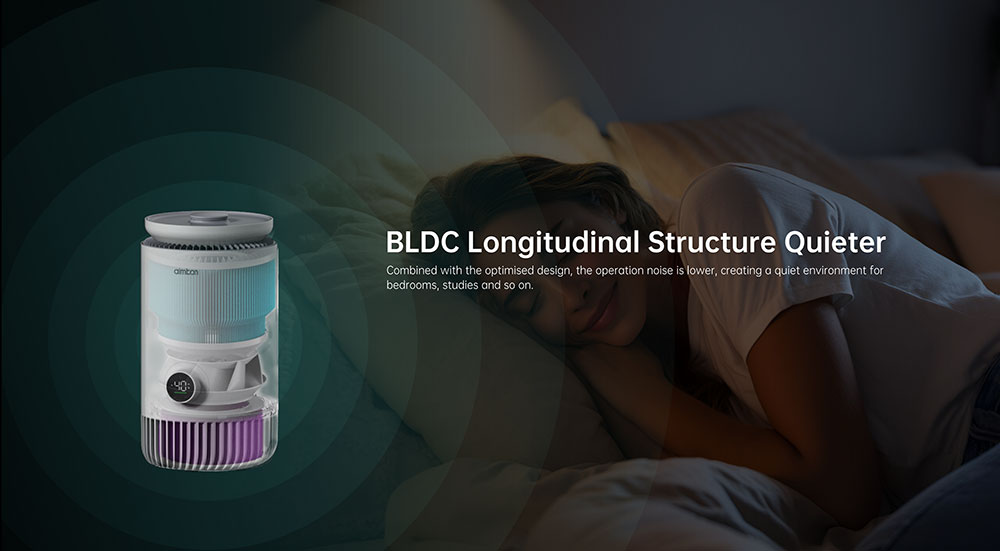
The path to truly restorative sleep is paved with clean air. By understanding how pollutants directly interfere with your breathing and sleep cycles, you can take proactive steps. Investing in a high-quality, quiet air purifier for your bedroom is one of the most effective actions you can take to remove sleep-disrupting allergens and particles, creating a sanctuary that supports deeper, healthier, and more continuous sleep. Give your body the clean air it needs to repair and rejuvenate overnight—you’ll feel the difference when you wake up.