
For pet owners and health-conscious individuals, indoor air quality is a major concern. Air purifiers are powerful tools that address multiple issues simultaneously. This article breaks down how they specifically help with three key challenges: managing pet-related allergens, reducing airborne viruses, and improving overall air quality.
1. Combating Pet Hair, Dander, and Odors
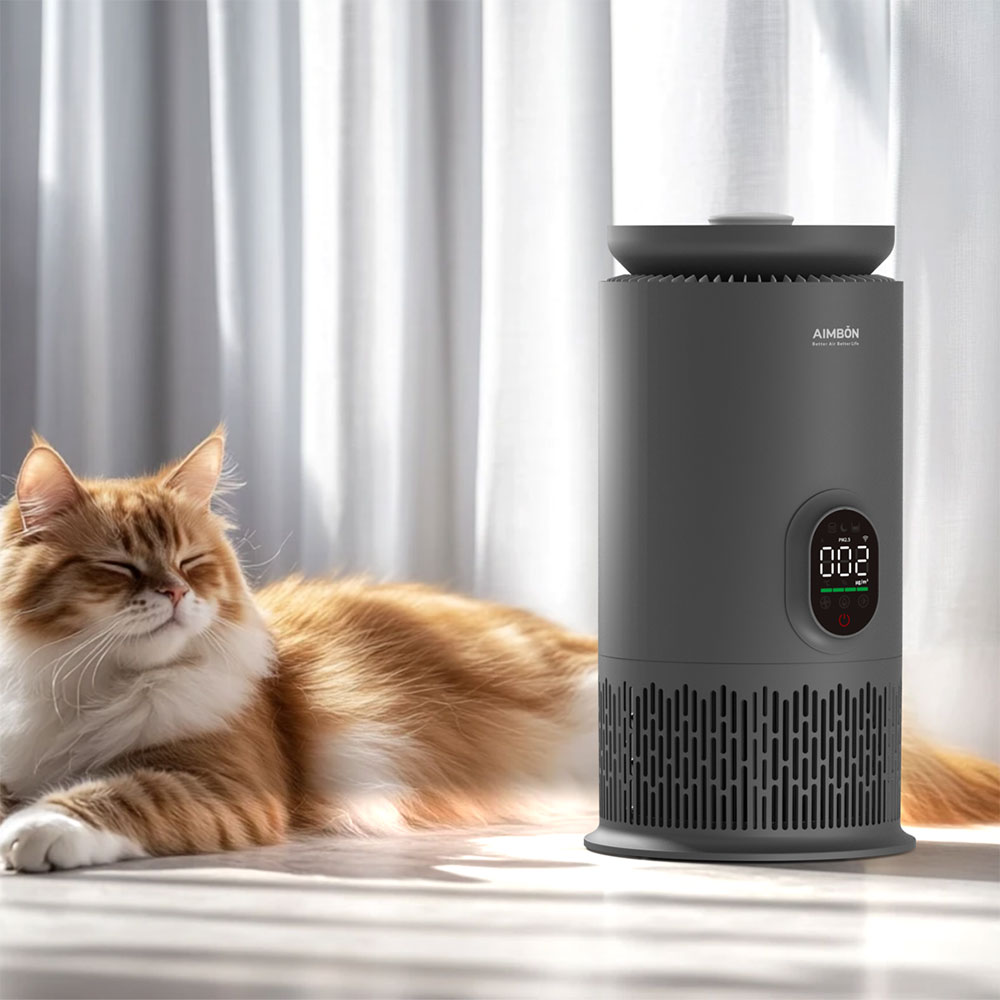
Pets bring joy but also shed hair, dander (microscopic skin flakes), and can cause lingering odors. These are common triggers for allergies and asthma.
The Problem: Pet dander is lightweight and stays airborne for hours, easily circulating throughout your home. It’s a more common allergen than pet hair itself. Odors from pets, litter boxes, or accidents can also be persistent.
How Air Purifiers Help:
HEPA Filtration: This is the most effective technology for this task. A True HEPA filter can capture 99.97% of particles as small as 0.3 microns, efficiently trapping pet dander, hair, and dried saliva particles.
Activated Carbon: Integrated carbon filters are excellent for adsorbing and neutralizing pet odors and volatile organic compounds (VOCs) from urine or feces, leaving the air fresher.
Result: Reduced airborne allergens lead to fewer allergic reactions (sneezing, itchy eyes) and less pet hair/dust settling on surfaces. It creates a more comfortable environment for both allergic humans and pets.
2. Reducing Airborne Viruses and Bacteria
Especially in shared living spaces, reducing the concentration of airborne pathogens is crucial for health.
The Problem: Viruses like influenza, rhinovirus (common cold), and SARS-CoV-2 (COVID-19) can travel through the air via respiratory droplets and aerosols. Bacteria and mold spores are also common indoor biological pollutants.
How Air Purifiers Help:
HEPA Filtration: While not all viruses are caught by HEPA filters alone, many are carried on larger respiratory droplets or dust particles that HEPA filters can effectively capture, thus reducing the overall viral load in the air.
Supplemental Technologies: Some purifiers include additional technologies that inactivate captured microorganisms. These include:
UV-C Light: Ultraviolet light inside the unit can damage the DNA/RNA of viruses and bacteria, preventing them from reproducing.
Photocatalytic Oxidation (PCO): This advanced process can help break down and destroy organic pathogens.
High-Temperature Sterilization: Some high-end models (like certain medical-grade systems) use heat to eliminate pathogens with a very high kill rate (e.g., 99.999%).
Result: Lower concentration of active airborne pathogens, contributing to a reduced risk of infection transmission and a cleaner breathing environment. It’s a valuable layer of protection alongside good ventilation and hygiene.
3. Improving Overall Indoor Air Quality (IAQ)
Beyond pets and germs, our homes are filled with various invisible pollutants.
The Problem: Indoor air can be 2-5 times more polluted than outdoor air. Common pollutants include:
PM2.5: Fine particulate matter from cooking, candles, outdoor pollution, and dust.
VOCs & Gases: Released from cleaning products, paints, furniture, and building materials (e.g., formaldehyde).
Pollen & Mold Spores: Enter from outdoors or grow in damp areas indoors.
How Air Purifiers Help:
Comprehensive Filtration: A well-equipped air purifier acts as a comprehensive solution:
HEPA filter handles PM2.5, pollen, and dust.
Substantial Activated Carbon bed tackles VOCs, fumes, and gaseous odors.
As mentioned, specialized features handle biological threats.
Result: Cleaner, fresher air to breathe daily. This can lead to improved sleep, better respiratory health, reduced long-term health risks associated with pollution exposure, and fewer odors. Studies, such as one from Kaohsiung Medical University, have shown that using effective air purifiers can lead to measurable improvements in lung function for vulnerable individuals like asthmatics.

An air purifier is a versatile investment for a healthier home. It systematically addresses the trio of common indoor air problems: it captures pet allergens to ease allergies, reduces the load of airborne viruses to support immune health, and continuously cleanses the air of general pollutants for better overall well-being. By selecting a device with the right technology for your specific concerns, you can create a significantly cleaner and safer breathing environment for everyone in your household, including your furry family members.