
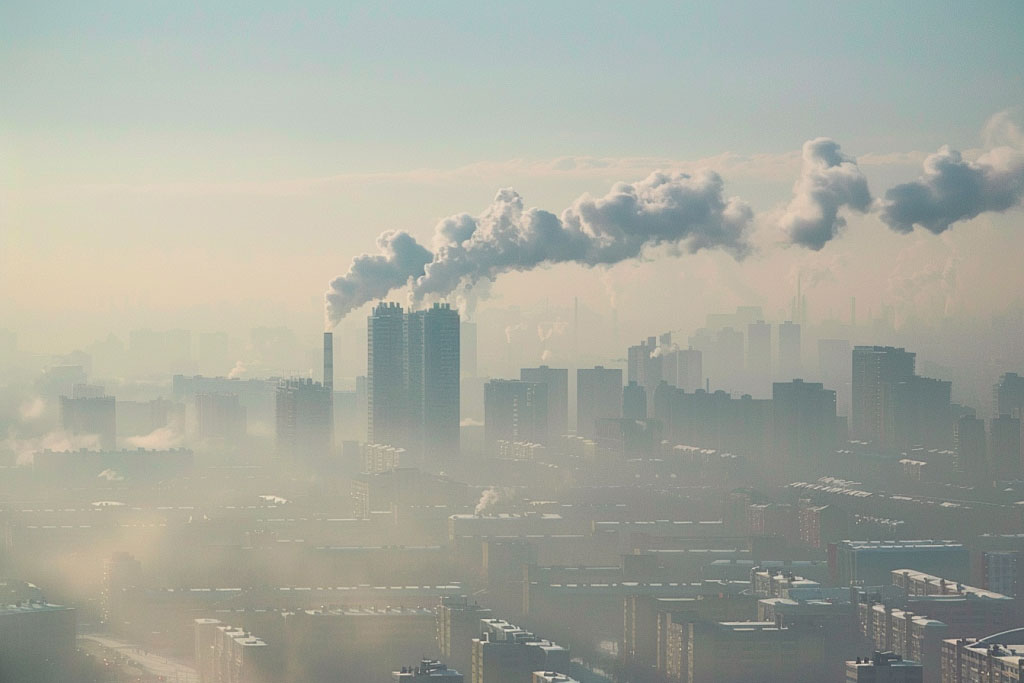
When we discuss how quality sleep is the most affordable form of wellness, a prerequisite we cannot ignore is—does the air we breathe allow our bodies to undergo this restoration? The World Health Organization states that nearly 99% of the global population lives in areas with substandard air quality. Air pollution contributes to approximately 7 million premature deaths annually. In 2025, only seven countries met the WHO’s safe air quality standards. This startling context makes caring about the quality of every breath more critical than ever.
Unlike relatively stable annual average rankings, the real-time list of the world’s most polluted major cities is constantly changing, as dynamic as the weather. Sudden factors like dust storms, wildfires, industrial emissions, and stagnant weather can propel a city to the top of the global pollution chart within hours. Based on real-time data released by the authoritative air quality monitoring organization IQAir, the following are key cities that entered the global top ten most polluted list on specific days in 2025.
| Rank | City (Country/Region) | Observation Date (2025) | Key Pollution Indicator of the Day (AQI/PM2.5) | Primary Causes |
|---|---|---|---|---|
| 1st | Karachi (Pakistan) | February 13 | AQI reached 215 | Industrial emissions, traffic pollution, geographical & climatic conditions |
| 2nd | Kathmandu (Nepal) | February 13 | AQI reached 196 | Vehicle exhaust, construction dust, winter temperature inversion |
| 3rd | Dubai (UAE) | September 10 & November 5 | AQI 147 (Sep), over 200 (Nov) | Regional dust storms, vehicle emissions, construction |
| 6th | Detroit (USA) | September 14 | AQI reached “Unhealthy” levels | Transboundary wildfire smoke (originating from Canada) |
| 10th | Sofia (Bulgaria) | November 17 | AQI 127 | Old diesel vehicle exhaust, winter coal heating |
Decoding the Crisis: Three Pollution Patterns Behind the List
This “blacklist” reveals three typical patterns of modern urban air pollution:
“Chronic Pressure” Type & Structural Challenges: Cities like Karachi in South Asia reflect the long-standing contradiction between rapid urbanization, industrial growth, and insufficient pollution control capacity. Pollution in such cities is deeply rooted, closely tied to energy structure, transportation planning, and industrial emission standards.
“Natural Onslaught” Type & Geographical Fate: Dubai’s case is highly representative. As a modern metropolis, its annual average air quality is acceptable, but frequent regional dust storms can spike the AQI from “Good” to “Very Unhealthy” levels within hours. This demonstrates the overwhelming impact of natural forces on urban air quality under specific geographical and climatic conditions.
“Sudden Import” Type & Global Interconnection: Detroit’s appearance on the list is unexpected. The city’s annual average PM2.5 concentration is better than the WHO standard, but wildfire smoke from northern Canada, transported across borders by wind, instantly made it a global pollution hotspot. This marks a new era: the impacts of an environmental disaster in any one region, like intensifying forest fires, can spread globally, leaving residents in cities thousands of miles away with nowhere to hide.
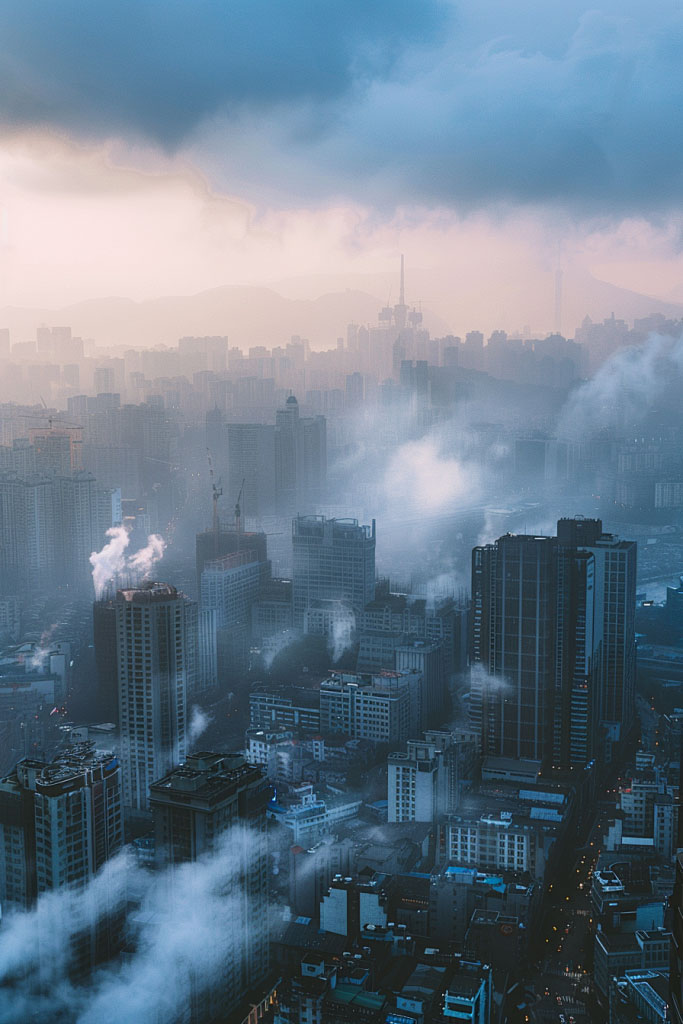
From Global Alert to Personal Defense: Clean Air is the Cornerstone of Deep Sleep
This data sounds a dual alarm for us: on one hand, macro-level air governance faces a long and challenging road; on the other, pollution events are unpredictable and sudden. When the outdoor Air Quality Index (AQI) exceeds 150 (the “Unhealthy” level), not only are sensitive groups directly affected, but the sleep quality of all residents may suffer invisible blows—pollutants can irritate the respiratory tract, cause micro-inflammation, and interrupt deep sleep cycles.
Therefore, building a reliable indoor air purification system is no longer an option but an active defense for modern healthy living. This is the fundamental way to ensure individuals and families can continuously obtain “post-rain forest” clean, moist, and vibrant air amidst the uncertainties of the external environment. It grants quality sleep—this most affordable form of wellness—a “safe space” undisturbed by pollution.