
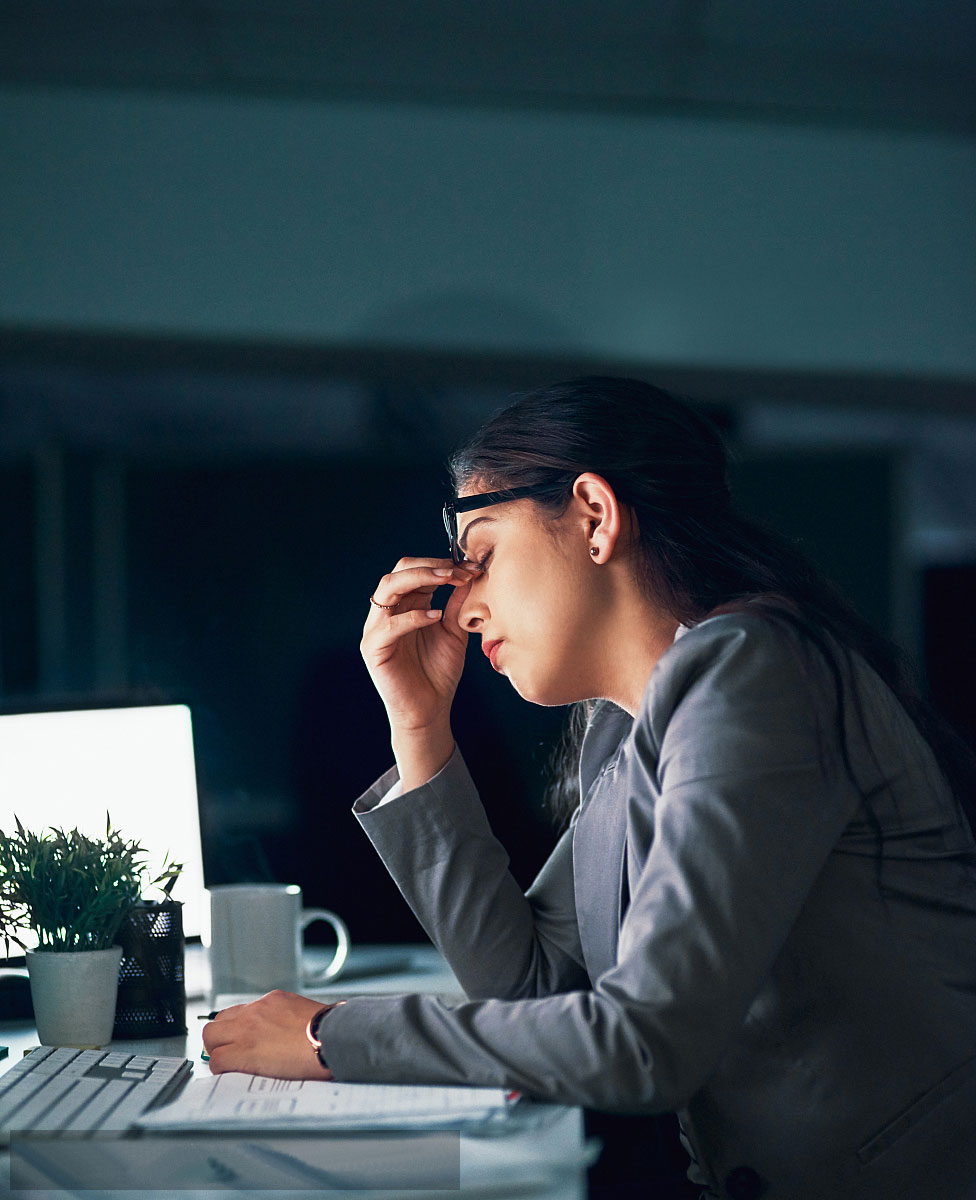
“Sleep at 1 AM, wake at 7 AM, drinking millet porridge in the ICU; Sleep at 3 AM, wake at 7 AM, the King of Hell praises you for your good health.” This darkly humorous poem, popular among young people, jokes that they belong to the “dark circle” club. However, when “getting a good night’s sleep” becomes a luxury for 300 million Chinese people, the issue is no longer simply about feeling tired, but a silent health crisis.
1. Sleep: More Than Just “Recharging,” It’s “System Maintenance”
If you simply view the body as a smartphone that can be fully recharged after a night’s sleep, you greatly underestimate the value of sleep. Modern science reveals that sleep is far more complex than charging—it is a meticulously precise nighttime cleanup and system upgrade.
When we fall asleep, the brain doesn’t rest; it switches to another active mode, cycling in periods of about 90 minutes:
Non-Rapid Eye Movement Sleep (Deep Sleep) – The Body’s Repair Time
Growth hormone is secreted in large quantities, cell repair is accelerated, and the immune system is enhanced. This is akin to a building undergoing structural reinforcement and deep cleaning at night.
Rapid Eye Movement Sleep (Dreaming Stage) – The Brain’s Organizing Time
The brain becomes highly active, screening, integrating, and consolidating memories from the day. Important ones are stored in long-term memory, while useless temporary information is cleared away.
Depriving yourself of sleep means depriving your body of repair and your brain of organization. The consequences are far more severe than simple drowsiness.
2. The Price of Staying Up Late: The Body Never Forgets a Sleepless Night
Chronic sleep deprivation is like taking out a high-interest loan you can never fully repay. The body will demand payment in ways you might not expect.
Igniting the Body’s “Inflammatory Bomb”
Lack of sleep not only reduces the activity of immune cells, making you more susceptible to colds, but more dangerously, it can activate an excessive inflammatory response. Research suggests this persistent inflammatory state might be one reason behind sudden death after consecutive nights of staying up late.
The Hidden Driver of Cancer Risk
The International Agency for Research on Cancer, part of the WHO, has classified “circadian disruption” as a Group 2A carcinogen, meaning it is probably carcinogenic to humans. Studies show that compared to people who sleep 7-8 hours daily, those sleeping less than 7 hours have a 69% higher risk of developing cancer. Staying up late disrupts the biological clock, inhibits the secretion of cancer-fighting melatonin, and can even reduce the activity of immune cells (Natural Killer cells) by 40%, giving cancer cells a chance to thrive.
A Slow Poison for the Brain
Sleep deprivation directly leads to memory decline and poor concentration. More importantly, it increases the future risk of Alzheimer’s disease, as the brain can only effectively clear the metabolic waste produced during the day while in deep sleep.
A Heavy Burden on the Heart
Chronic late nights disrupt blood pressure regulation, increasing the risk of hypertension, arrhythmias, coronary heart disease, and even heart failure. The heart palpitations many feel during all-nighters are a final warning from the heart.
3. Examining Young People’s Sleep Today: A Societal Illness and Active Sleep Procrastination
The “2025 China Sleep Health Report” shows that approximately 48.5% of Chinese adults aged 18 and over experience sleep issues, with an average bedtime of 11:15 PM. Only 39.1% of people can fall asleep before 11:00 PM. Sleep disorders are showing a clear trend of affecting younger people.
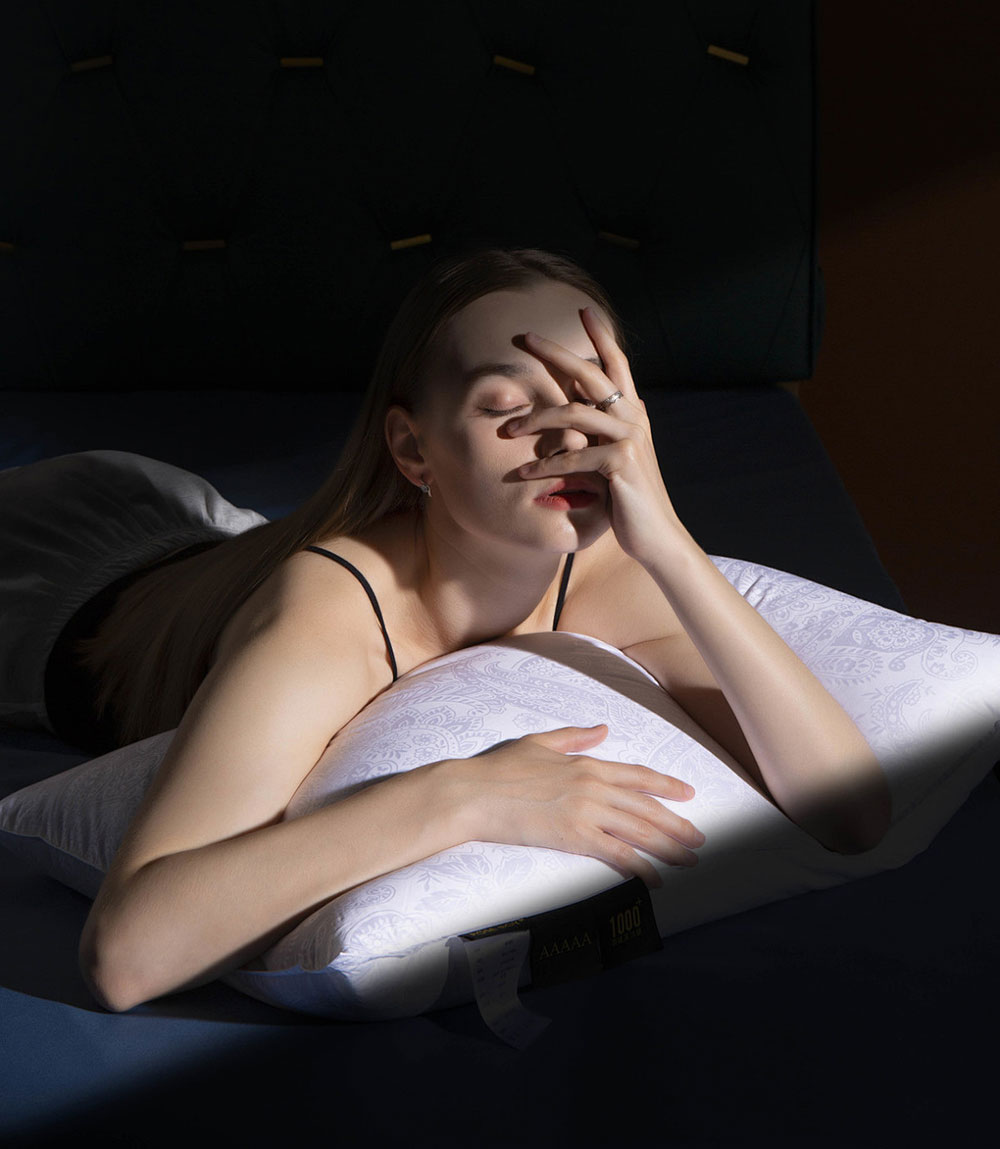
Squeezed Sleep
For many young people, insomnia is unavoidable. High-pressure work environments in industries like the internet and accounting make staying up late for work the norm. One person shared that after emailing a completed document at 3 AM, they received a reply from their boss seconds later. This state of constant readiness makes maintaining a regular sleep schedule nearly impossible.
Revenge Bedtime Procrastination
Another phenomenon is the “inability to let go of sleep.” When daytime is completely consumed by work or study, the night becomes the only period of “personal time” a young person can control. Whether scrolling through short videos, gaming, or socializing, this psychological compensation for lost personal time makes them repeatedly test the boundaries between wakefulness and sleep.
Circadian Misalignment
People in their adolescence and early twenties naturally experience a physiological delay in their circadian rhythm. They are inherently inclined to sleep late and wake late. However, when this “night owl” trait clashes with the societal 9-to-5 schedule, it creates “social jetlag,” leading to chronic sleep deprivation.
4. How to Break the Cycle: From Passive Insomnia to Proactive Health
Improving sleep doesn’t require expensive tools. The core principle is respecting your body’s natural rhythms.
Reset Your Biological Clock
Go to bed and wake up at the same time every day, even on weekends. This is the most effective way to regulate your internal clock.
Create a “Sleep Sanctuary”
Make your bedroom as dark, cool, and quiet as possible. Establish a “digital quiet zone” for one hour before bed—stay away from your phone. Blue light inhibits melatonin secretion, tricking your brain into thinking it’s still daytime.
Seize the Golden Sleep Window
Aim to fall asleep between 10:00 PM and 11:00 PM. This maximizes the cancer-fighting effects of melatonin and the body’s repair functions.
Rebuild Your Association with Bed
Use your bed only for sleep. If you can’t fall asleep after 20 minutes, get up and do something relaxing in a dimly lit room, and only return to bed when you feel sleepy again. This helps break the anxious connection of “bed = insomnia”.
Sleep is not an option, nor is it a sign of laziness. It is a pillar of health as important as diet and exercise. Starting tonight, schedule your sleep as carefully as you would an important meeting. Because investing in sleep is investing in the quality, health, and vitality of your waking life.