

The Natural Sleep Aid You Haven’t Tried: How an Air Purifier Can Transform Your Nights
You’ve tried the melatonin, the weighted blankets, the blue light glasses, and the 3 a.m. breathing exercises. Yet somehow, truly restorative sleep still feels elusive. What if the missing piece in your sleep routine isn’t another supplement or gadget—but the very air you breathe?
An emerging body of scientific research points to a surprisingly effective natural sleep aid that doesn’t come in a bottle: clean air. And the most efficient way to achieve it? A high-quality air purifier in your bedroom.
The Science of Sleep and Air: Why Clean Air Matters
We spend about one-third of our lives sleeping, yet few of us consider what we’re breathing during those critical hours. During sleep, our bodies enter a state of active repair—growth hormone is released, cells regenerate, memories consolidate, and the immune system strengthens. But this intricate process can be silently sabotaged by poor air quality.
Indoor air can be up to five times more polluted than outdoor air [citation:6]. Common bedroom pollutants include:
• Dust mites and their waste
• Pet dander
• Pollen that drifts in through windows
• Mold spores
• Volatile organic compounds (VOCs) from furniture, paints, and cleaning products [citation:6]
These microscopic irritants can inflame nasal passages, trigger low-level allergic responses, and cause micro-awakenings—brief disruptions you don’t even remember but that prevent you from reaching or staying in deep, restorative sleep stages [citation:9].
How an Air Purifier Works as a Natural Sleep Aid
An air purifier acts as a gentle, non-invasive natural sleep aid by removing the very pollutants that disturb your rest. Here’s how:
1. Reduction of Allergens and Irritants
Quality air purifiers use True HEPA filters that capture 99.97% of airborne particles as small as 0.3 microns [citation:6]. This includes dust mites, pollen, pet dander, and mold spores—the common culprits behind nighttime sneezing, congestion, and scratchy throats. When these irritants are removed, your airways stay clear, and your body doesn’t need to “fight” during the night [citation:5].
2. Elimination of Odors and VOCs
Many air purifiers include activated carbon filters that adsorb gases and odors—from cooking smells lingering in the air to VOCs off-gassing from your new mattress or furniture [citation:6]. A cleaner-smelling room creates a more calming, spa-like environment conducive to relaxation.
3. The Gentle White Noise Effect
The consistent, low hum of a quality air purifier can serve as natural white noise, masking disruptive sounds from traffic, neighbors, or household activity that might otherwise wake you [citation:6]. This acoustic smoothing helps maintain uninterrupted sleep cycles.
4. Optimal Humidity Balance
Some advanced models combine purification with humidification, maintaining bedroom humidity in the ideal 45%-55% range. This prevents the airway dryness that can cause snoring or nighttime awakenings, while avoiding the excess moisture that promotes mold and dust mites [citation:2].
What the Science Says: Real Data, Real Results
The evidence for air purifiers as a natural sleep aid is no longer anecdotal—it’s backed by rigorous research.
Landmark Clinical Study: +12 Minutes of Sleep Per Night
A 2023 randomized-controlled crossover study published in the Journal of Sleep Research followed 30 healthy adults over multiple weeks. Participants slept with either a real HEPA air purifier or a placebo filter. The results? The real purifier was associated with an average of 12 additional minutes of total sleep time per night and 19 more minutes in bed [citation:3]. While 12 minutes may sound modest, accumulated over weeks, it represents significant restorative gains.
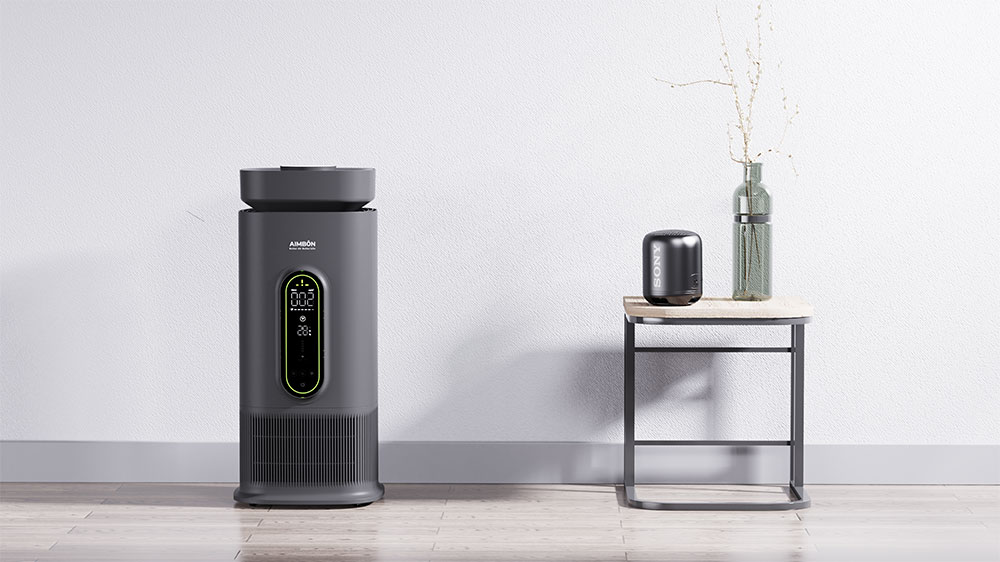
2025 Real-World Study: Deep Sleep Boost
A large-scale 2025 study presented at the Associated Professional Sleep Societies meeting tracked over 1,200 nights of sleep across 31 participants using an air purifier in bedrooms up to 465 square feet. Compared to baseline, nights with the purifier showed:
• 6 more minutes of deep sleep per night (a 7% increase)
• 1% higher sleep efficiency
• 11% higher perceived sleep quality
• 11% higher feeling of being well-rested in the morning [citation:4]
A companion study on smaller spaces (up to 200 square feet) found similar benefits, including 4 more minutes of REM sleep (a 6% increase) and significant improvements in both SleepScore and MindScore [citation:10].
Sleep.ai / Alen Study: 30% Faster Sleep Onset
Another real-world analysis across more than 1,500 nights of sleep found that participants fell asleep about 30% faster on nights when an air purifier was running. Nearly half reported feeling more rested the next morning, and over 70% noticed the air felt cleaner and more comfortable to breathe [citation:9]. Notably, those who struggled most with fragmented sleep saw the greatest improvements in sleep continuity.
Asthma and Allergy Benefits
A 2024 randomized controlled trial in people with asthma found that air purifiers significantly improved rhinitis-related quality of life and perceptions of sleep quality [citation:7]. For those with underlying respiratory sensitivity, cleaner air translates directly to better rest.
Physiological Markers Improve Too
A 2025 study using Apple Watch data from 41 participants showed that indoor air purification reduced home PM2.5 exposure from 8.1 µg/m³ to 1.7 µg/m³, associated with significant improvements in heart rate, sleep respiratory rate, and blood oxygen saturation [citation:8]. These objective physiological measures confirm what participants report: cleaner air leads to calmer, more restorative sleep.
Choosing the Right Natural Sleep Aid for Your Bedroom
If you’re considering an air purifier as part of your sleep routine, here’s what to look for:
Filter Quality
Prioritize models with a True HEPA filter for particle removal and an activated carbon filter for gases and odors [citation:6]. This combination ensures comprehensive air cleaning.
Noise Level
Look for units with a dedicated sleep mode or ultra-quiet operation (under 30 dB). The goal is gentle background sound, not disruptive noise [citation:6].
Room Size Compatibility
Ensure the purifier is rated for your bedroom’s square footage. A unit too small won’t effectively clean the air; one unnecessarily large may be overkill [citation:4][citation:10].
Extra Features (Optional)
Some models offer integrated humidification, sunrise alarm clocks, or nature sounds—features that can enhance the sleep environment [citation:2]. These are bonuses, not necessities, but can add to the natural sleep aid experience.
The Natural Sleep Aid That Works While You Rest
Unlike pills that can leave you groggy or supplements with uncertain long-term effects, an air purifier is a true natural sleep aid—it simply removes the invisible obstacles between you and deep, restorative sleep. It requires no ingestion, no habit formation, no willpower. You simply turn it on, and it works quietly throughout the night, cleaning your air and supporting your body’s innate repair processes.
The research is clear: cleaner air means deeper sleep, fewer awakenings, and waking up truly refreshed [citation:3][citation:4][citation:9]. If you’ve optimized your bedtime routine but still struggle with restless nights, the solution might be floating invisibly in the air around you.
Breathe cleaner. Sleep deeper. Wake renewed. Your body’s most natural sleep aid is waiting in the air you breathe.
References available in scientific literature.