
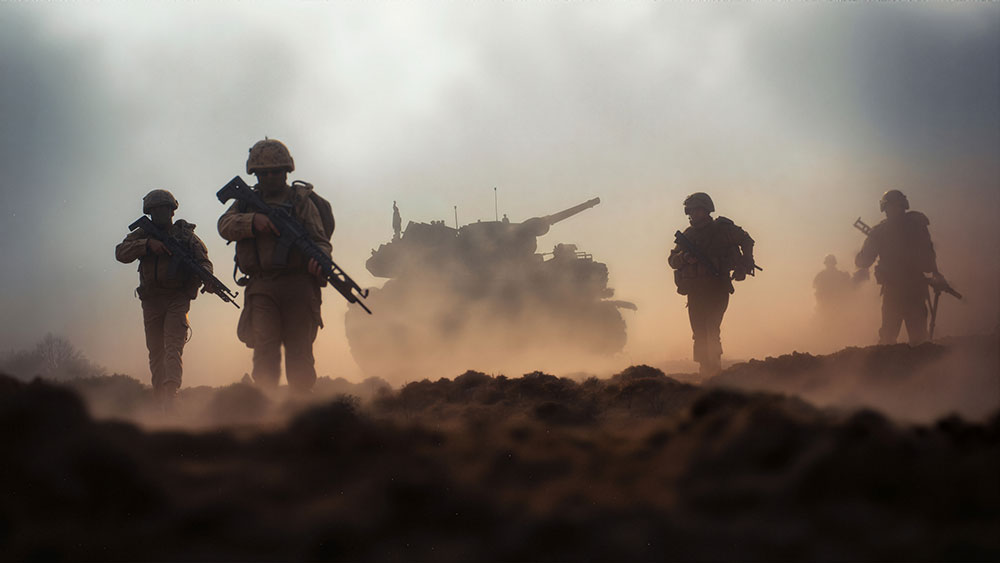
When the world’s attention is fixed on geopolitical maneuvering and shifting frontlines, another face of war silently devours civilian life. It hides in the freezing bedrooms of Kyiv residents left without power or heating. It lurks in the anxious eyes of a Gazan mother unable to find milk for her baby. It spreads through the acrid smoke rising from drone strikes in Lviv.
In early 2026, the Russia-Ukraine conflict has stretched into its fourth year. The Israel-Palestine conflict shows no sign of resolution, and tensions between Iran and Israel have abruptly escalated. In these shattered lands, the cruelty of war extends far beyond the explosions themselves—it lies in how war systematically strips away clean water, warm food, stable electricity, and healthy air—the most basic elements of normal life.
Ukraine: The “Energy War” in Freezing Winters and Air Alerts
For millions of Ukrainians, the winter of 2026 feels especially long and bitterly cold. This is not just a natural climate phenomenon, but a man-made disaster.
Daily Life Without Power and Heat: Survival Becomes an Endurance Test
In Ukraine’s capital Kyiv, air raid sirens pierce the sky almost daily. Over the past year, Russia’s large-scale strikes on Ukraine’s energy infrastructure have turned winter into a weapon. Countless families wake up in homes without electricity or heating.
“We haven’t had heating for three days now, and sometimes there’s no electricity all day,” said 83-year-old Kyiv resident Melania, wrapped in blankets, forced to seek warmth at government-run heating tents. With temperatures dropping to minus 20 degrees Celsius, elevators stop working, water pipes burst, and roads ice over. Many elderly residents trapped in high-rise apartments cannot even go downstairs, enduring the cold indoors.
In Ukraine’s eastern Sumy region, resident Natalia has learned to wrap bricks in tin foil, heat them in gas ovens, and use these scorching bricks to warm her room. Power outages not only steal warmth but also paralyze daily life. Refrigerators stop working, forcing food to be stored on balconies. Water pumps fail, making water collection a daily struggle. At the Kyiv Zoo, workers must rely on generators and burning wood to keep gorillas and elephants alive through freezing nights. In the Dnipropetrovsk region, workers even use blowtorches to thaw frozen heating pipes.
The Invisible Killer: Air Pollution and Health Threats
Beyond the palpable cold, war brings another deadly threat invisible to the naked eye—air pollution.
On January 27, 2026, Russia launched a drone strike on infrastructure in Brody, Lviv region. The attack caused temporary spikes in carbon monoxide concentrations in nearby villages. Acrid smoke enveloped the city, accompanied by a strong, nauseating odor. Local authorities urgently advised residents with chronic respiratory or cardiovascular diseases to stay indoors, wear disposable masks if absolutely necessary to go out, and strictly avoid opening windows for ventilation.
Desperate to cope with freezing temperatures amid energy shortages, many have resorted to burning wood and coal, or enduring the choking exhaust fumes from generators. On the streets of Kyiv, the roar of generators and the smoke from burning firewood have become part of the urban landscape. This kind of burning is not only inefficient but also releases massive amounts of particulate matter and toxic gases into already fragile air. As one pharmacist described a similar dilemma: “You have to choose between staying warm and breathing. Understandably, most people choose warmth, but afterward they suffer many health problems as a result.”
The shadow of war has even extended into Russian territory. In Moscow, long-running electronic jamming systems targeting drones have caused severe GPS signal disruptions, with navigation apps often showing locations dozens of kilometers off. Drone attacks on Moscow have also led to temporary closures of all airports, disrupting travel plans and stranding countless passengers.
Gaza and the Middle East: Living on the Edge Under Siege
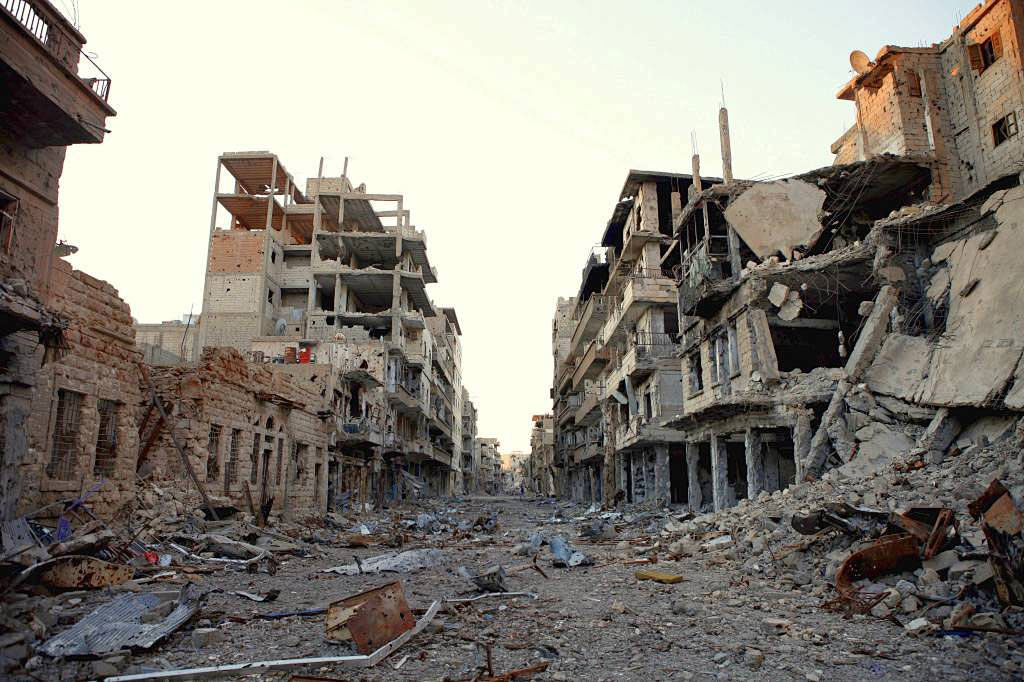
In the Middle East, fragile ceasefires cannot mask deeply rooted humanitarian crises. If the war in Ukraine is an “energy war,” then the situation in Gaza is a war for sheer survival.
Border Closures and Severe Shortages: The Return of Famine Fears
On February 28, 2026, following joint US-Israeli military strikes on Iran, Israel closed all border crossings into Gaza, including the Rafah crossing. This move instantly triggered panic among Gazans over food shortages.
In Khan Younis, southern Gaza, people flooded markets, desperately hoarding whatever food they could find. “People are afraid of experiencing famine again,” said local resident Osama Hanoda. “We’re worried that, like last time, we won’t be able to get milk or diapers for our children, won’t be able to find food or water.” Displaced person Abeer Awad shared the same anxiety: “Everyone is afraid of famine, afraid of the border closures, afraid of shortages of food and flour.”
Even without complete blockades, shortages have never truly eased. According to reports from humanitarian organizations, as of February 2026, only 42% of medical facilities in Gaza were partially functional, with all hospitals relying entirely on backup generators. Due to restrictions on “dual-use” items, essential supplies like generator parts, uninterrupted power supply systems, and critical electrical components face severe delays, directly impacting intensive care units, dialysis centers, and operating rooms.
For ordinary families, securing three meals a day has become the greatest challenge. Raed Hajjaj, whose family of seven lives in a makeshift tent, receives a food parcel only once every ten days. “We live like beggars,” he said. “Tonight, my children and I shared half a box of cheese and a little bit of beans. We divided the cheese again and again so everyone could have a taste.”
According to aid organizations, although conditions slightly improved in January, protein intake—meat, poultry, eggs—remains at just one day per week, far below pre-conflict levels of three times weekly. Over 50% of the population still relies on burning garbage as an alternative to cooking gas. This desperate coping mechanism, while addressing immediate needs, continuously releases highly toxic dioxins and furans into the air, causing long-term damage to respiratory and immune systems.
Conclusion: The Price of Peace and the Power to Protect
From the plains of Eastern Europe to the deserts of the Middle East, war has reduced modern urban life to raw, fragile survival. When air raid sirens become part of daily background noise, when GPS signals are no longer reliable, when electricity, gas, and clean water become luxuries, when every breath risks inhaling toxic smoke—civilian health and dignity are slowly crushed under the weight of conflict.
Looking back at history and examining the present, we grasp more deeply the weight of that ancient wisdom. The sharp deterioration in Iran, the involvement of Hezbollah, the prolonged siege of Gaza—all remind the world that peace is never guaranteed. As a soldier gazing at flags honoring fallen comrades in Kyiv’s Independence Square said: “I don’t know if I’ll come back alive.” Meanwhile, in Gaza, a mother simply hopes to find a diaper for her child.
We are not living in a peaceful era; we are fortunate to live in a peaceful country. Strong national defense and comprehensive national power are not just shields against external threats—they are the foundation that protects citizens from freezing without power, from famine and panic, from polluted air. As fires of war burn in the Middle East and Eastern Europe, the power to protect peace becomes ever more precious.