
As June 2026 unfolds, wildfires are raging across North America and Europe, posing severe threats to communities and creating a widespread air quality crisis. This guide explores the health impacts of wildfire smoke, the science behind air purifiers as a protective measure, and actionable steps to safeguard your indoor environment.
I. June 2026 Wildfires: A Global Snapshot
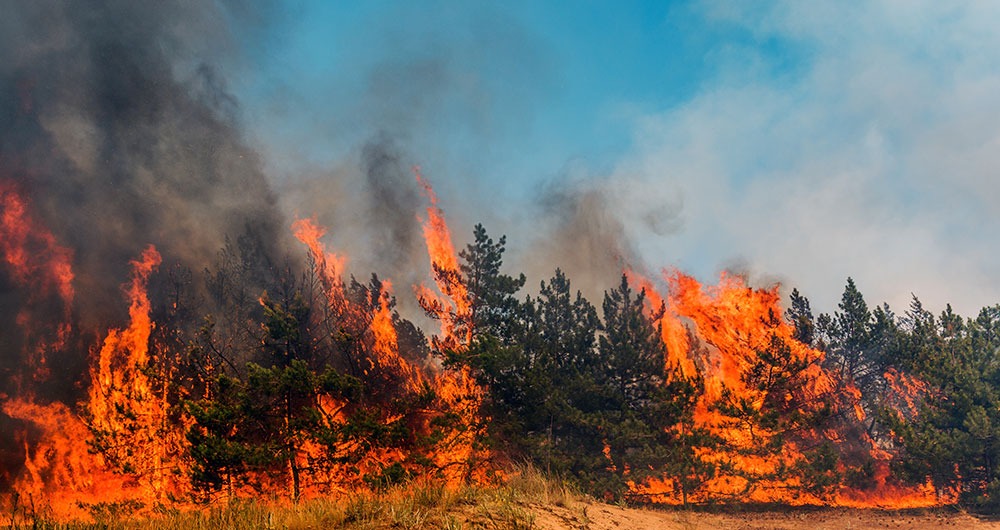
North America: In Canada, Saskatchewan remains on high alert, with thousands potentially facing evacuation as wildfires continue to spread[reference:0]. This follows a catastrophic 2023 wildfire season that saw particulate levels rise by more than 50% in Canada and 20% in the United States[reference:1]. A new study has found that smoke from larger wildfires is reversing more than a decade of American improvements in smog, with ground-level ozone increasing by 4% since 2015 and an estimated increase of 318 American deaths per year since 2013[reference:2].
Europe: Southern Europe is battling intense blazes driven by a prolonged heatwave. In Greece, authorities have launched the 2026 wildfire prevention season, issuing prohibitions to reduce human-caused fires[reference:3]. More than 100 firefighters battled a wildfire near Athens on June 3[reference:4]. Wildfires have also been reported in Spain, Portugal, and Turkey as extreme heat continues[reference:5].
This global pattern underscores a troubling reality: wildfire seasons are growing longer, more intense, and more widespread, with smoke affecting communities thousands of miles from the flames.
II. What’s in Wildfire Smoke? The Hidden Dangers
Wildfire smoke is far more than just “smoke.” It is a complex, toxic mixture of gases and fine particles that can travel hundreds of miles and linger for weeks[reference:6]. The most dangerous component is PM2.5 (particulate matter 2.5 microns or smaller), which can penetrate deep into the lungs and enter the bloodstream[reference:7].
Urban Wildfire Smoke Adds Toxic Chemicals: When fires burn through populated areas, the smoke becomes even more hazardous. It contains not just vegetation particulates but also volatile organic compounds (VOCs), polycyclic aromatic hydrocarbons (PAHs), and heavy metals released from burning buildings, vehicles, and plastics[reference:8]. Studies indicate that urban wildfire PM2.5 may be significantly more harmful to human health than other pollution sources[reference:9].
III. Health Effects of Wildfire Smoke Exposure
Exposure to wildfire smoke can trigger a cascade of health issues, from mild irritation to life-threatening emergencies. Symptoms may not appear immediately and can be delayed by 24–48 hours after exposure ends[reference:10].
Short-Term Health Risks Include: Coughing, wheezing, shortness of breath, sore throat, itchy eyes, chest tightness, headaches, and fatigue. More severe reactions include exacerbated asthma and COPD, increased risk of heart attacks and strokes, and heightened susceptibility to pneumonia.
Who Is Most at Risk? Certain groups are especially vulnerable to wildfire smoke: infants and young children, pregnant individuals, older adults (especially those with pre-existing conditions), people with asthma, COPD, or other respiratory diseases, and individuals with cardiovascular disease[reference:11].
IV. How Air Purifiers Help Against Wildfire Smoke
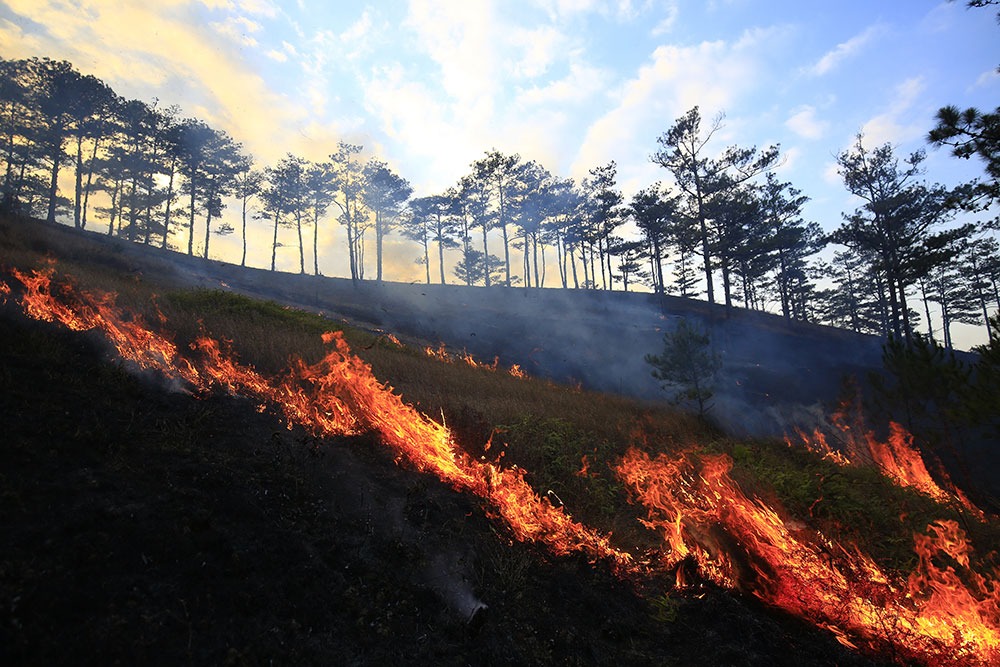
When outdoor air is hazardous, staying indoors with windows closed is essential. However, this is often not enough. Wildfire smoke can infiltrate buildings through tiny cracks, doors, windows, and ventilation systems. That is where a high-performance air purifier becomes a critical line of defense.
How Air Purifiers Work: Air purifiers with True HEPA filters can effectively trap PM2.5 and other fine particles. Many experts recommend HEPA H13 or higher for wildfire smoke, as these capture 99.95% of particles at 0.3 microns[reference:12]. For gases and odors (VOCs), a substantial activated carbon filter is necessary[reference:13].
Real-World Effectiveness: Studies and expert guides confirm that HEPA air purifiers significantly reduce indoor PM2.5 levels during wildfire events[reference:14]. Top-rated models for smoke in 2026 include the LEVOIT Core300-P (AHAM VERIFIDE with a smoke CADR of 143 CFM), the PuroAir 240 (three-layer filtration capturing 99.9% of smoke particles), and the KNKA APH4000 (the highest smoke CADR at 226 CFM)[reference:15].
V. Choosing the Right Air Purifier for Wildfire Smoke
When selecting an air purifier to combat wildfire smoke, prioritize the following features:
1. True HEPA H13 or Higher: Ensure the unit uses a medical-grade HEPA H13 or H14 filter capable of capturing ultra-fine particles. Avoid vague marketing terms like “HEPA-type” or “HEPA-like.”
2. High Smoke CADR Rating: CADR (Clean Air Delivery Rate) measures how quickly the purifier cleans smoke particles. Look for a smoke CADR of at least 200+ for large living spaces. AHAM VERIFIDE certification provides third-party validation[reference:16].
3. Substantial Activated Carbon Layer: HEPA filters cannot trap gases or VOCs. A thick, pellet-based activated carbon filter is essential for neutralizing the acrid smell and chemical byproducts of wildfire smoke. Avoid thin, coated sheets[reference:17].
4. Sealed System Design: Look for units with sealed filter compartments to prevent unfiltered air from bypassing the filter and ensure captured particles do not re-enter the airstream.
5. Smart Auto Mode with Real-Time PM2.5 Sensor: A built-in laser PM2.5 sensor and auto mode will automatically adjust fan speed when smoke levels rise, saving filter life and energy[reference:18].
6. Proper Sizing for Your Room: Check the unit’s recommended room size (or CADR rating) and ensure it matches your space. For larger rooms or open floor plans, a higher CADR unit or multiple units may be needed.
VI. Comprehensive Protection Strategy for Wildfire Season
While an air purifier is a cornerstone of protection, a multi-layered approach is most effective:
Monitor Air Quality: Use real-time AQI apps (IQAir, AirNow) to track conditions in your area.
Create a “Clean Room”: Designate one room with the tightest seals and an appropriately sized air purifier. Spend most of your time here during smoke events. The bedroom is a natural choice.
Weatherize Your Home: Apply weather stripping around doors and windows, use door sweeps, and seal window AC units with tape or foam to minimize smoke infiltration.
Upgrade HVAC Filters: If you have central AC, use filters rated MERV 13 or higher. Run the fan continuously to keep air circulating through the filter.
Wear N95 Masks Outdoors: If you must go outside during smoke events, wear an N95, KN95, or FFP2 mask. Standard cloth or surgical masks do not adequately block PM2.5[reference:19].
Seek Cleaner Air Shelters: If indoor air remains hazardous and you have sensitive family members (infants, elderly, those with respiratory conditions), consider temporarily relocating to a public building with central AC or a cleaner air area.
VII. Final Verdict
Wildfire smoke is a complex and toxic pollutant that poses significant risks to respiratory and cardiovascular health. While staying indoors is the first step, it is often insufficient. A high-quality air purifier with a True HEPA filter and a substantial activated carbon layer is a scientifically validated tool to dramatically reduce indoor particulate matter and protect your family’s health during wildfire season. By combining a top-tier purifier with weatherization and personal protection measures, you can create a resilient indoor environment even when the skies outside are orange.
Stay informed, stay prepared, and breathe safely.
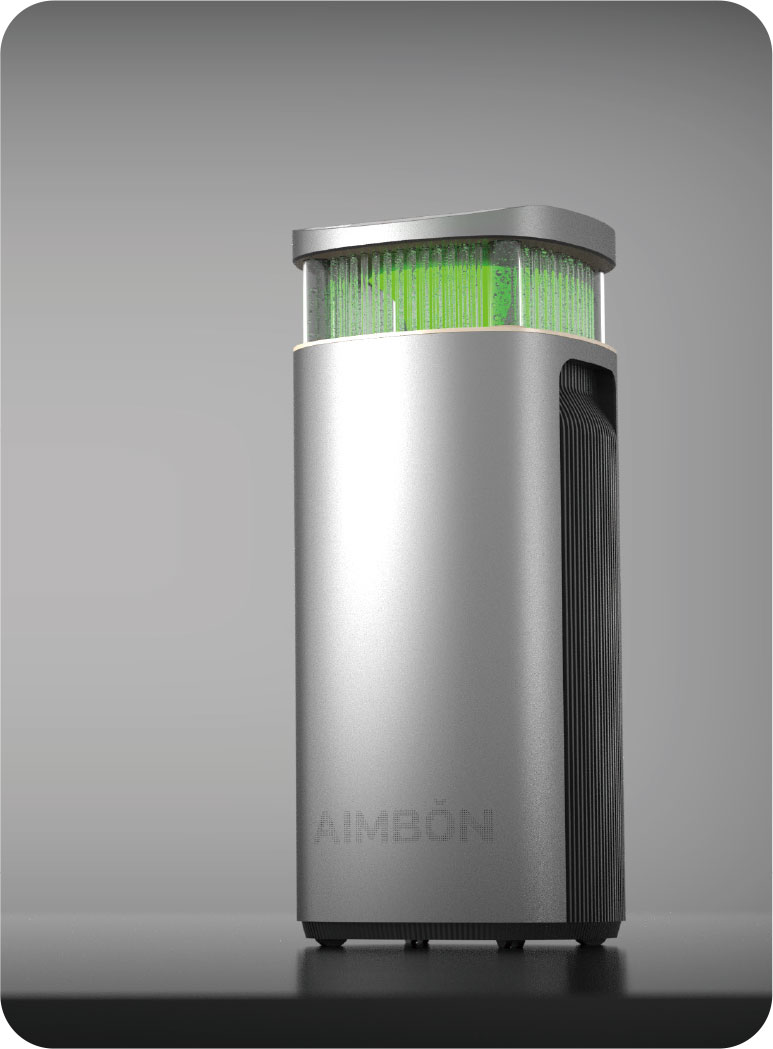
Aimbon · Water‑Gate Technology – purification and humidification in one, safeguarding every breath against wildfire smoke.