
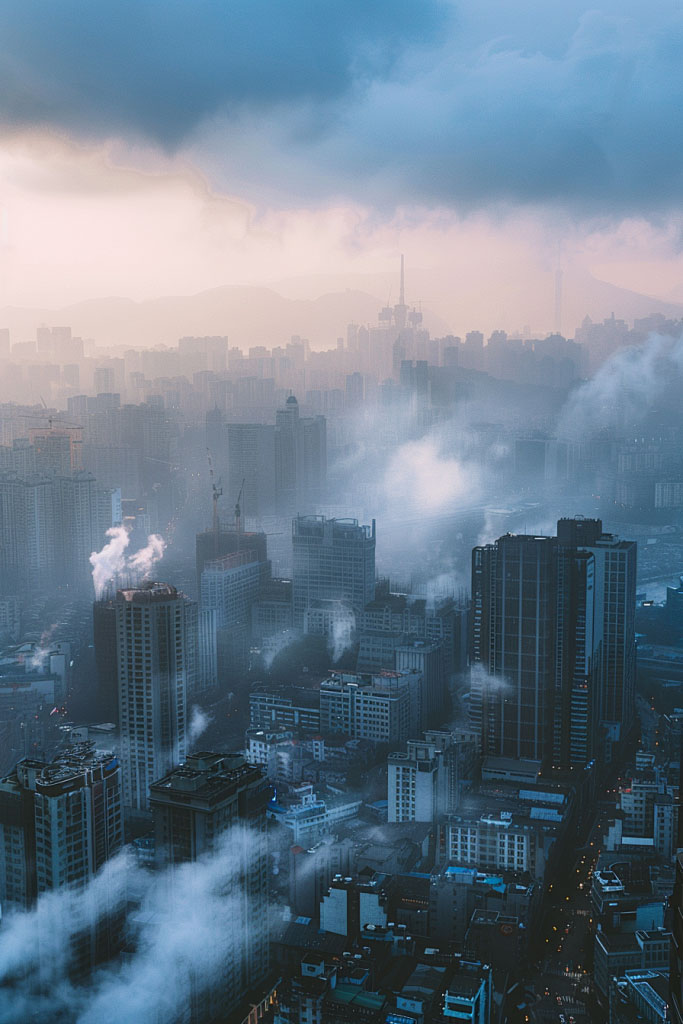
1. Science Primer: Who Are the Unseen Culprits in Polluted Air?
When we discuss air pollution, what exactly are we breathing in? Atmospheric contaminants exist in various forms, but those posing the greatest threat to human health include:
- Fine Particulate Matter (PM2.5): Particles with an aerodynamic diameter of 2.5 micrometers or less (roughly 1/30th the width of a human hair). Due to their microscopic size, they remain suspended in the air for long periods and easily adsorb heavy metals, carcinogenic organic compounds, and bacteria.
- Inhalable Particulate Matter (PM10): Particles ranging between 2.5 and 10 micrometers in diameter, predominantly originating from road dust, construction sites, and combustion residue.
- Gaseous Pollutants (NO2, SO2, Ground-Level O3): Toxic gases emitted primarily by fossil fuel combustion (motor vehicles and industrial plants) that act as strong respiratory irritants and react under sunlight to create photochemical smog.
- Biological & Organic Contaminants (VOCs, PAHs): Volatile organic compounds and polycyclic aromatic hydrocarbons released during incomplete combustion (such as residential wood heating), containing high levels of dangerous chemicals like benzene.
2. Health Hazards: How Air Pollution Invades and Damages the Human Body
While the nasal cavity and trachea serve as the body’s first line of defense against coarse dust, they are practically defenseless against fine particles like PM2.5.
Direct Impact on the Respiratory System
When polluted air is inhaled, coarse dust stops in the upper respiratory tract, causing throat discomfort, coughing, and rhinitis. However, PM2.5 bypasses respiratory cilia barriers entirely, traveling deep into the pulmonary alveoli. Long-term exposure leads to reduced lung function, exacerbates asthma and Chronic Obstructive Pulmonary Disease (COPD), and significantly elevates the risk of lung cancer.
Penetrating Barriers to Damage Cardiovascular Health
Microscopic PM2.5 particles can cross the alveolar-capillary membrane directly into the bloodstream. Once inside circulation, these pollutants trigger systemic inflammatory responses, increase blood viscosity, accelerate arterial atherosclerosis, and significantly raise the incidence of heart attacks, stroke, and hypertension.
Irreversible Harm to Vulnerable Populations
Children breathe faster than adults and possess underdeveloped respiratory systems; studies show that chronic exposure to polluted air causes irreversible inhibition of lung growth. For the elderly and individuals with preexisting chronic illnesses, pollution spikes frequently trigger acute medical emergencies and increase hospital admission rates.
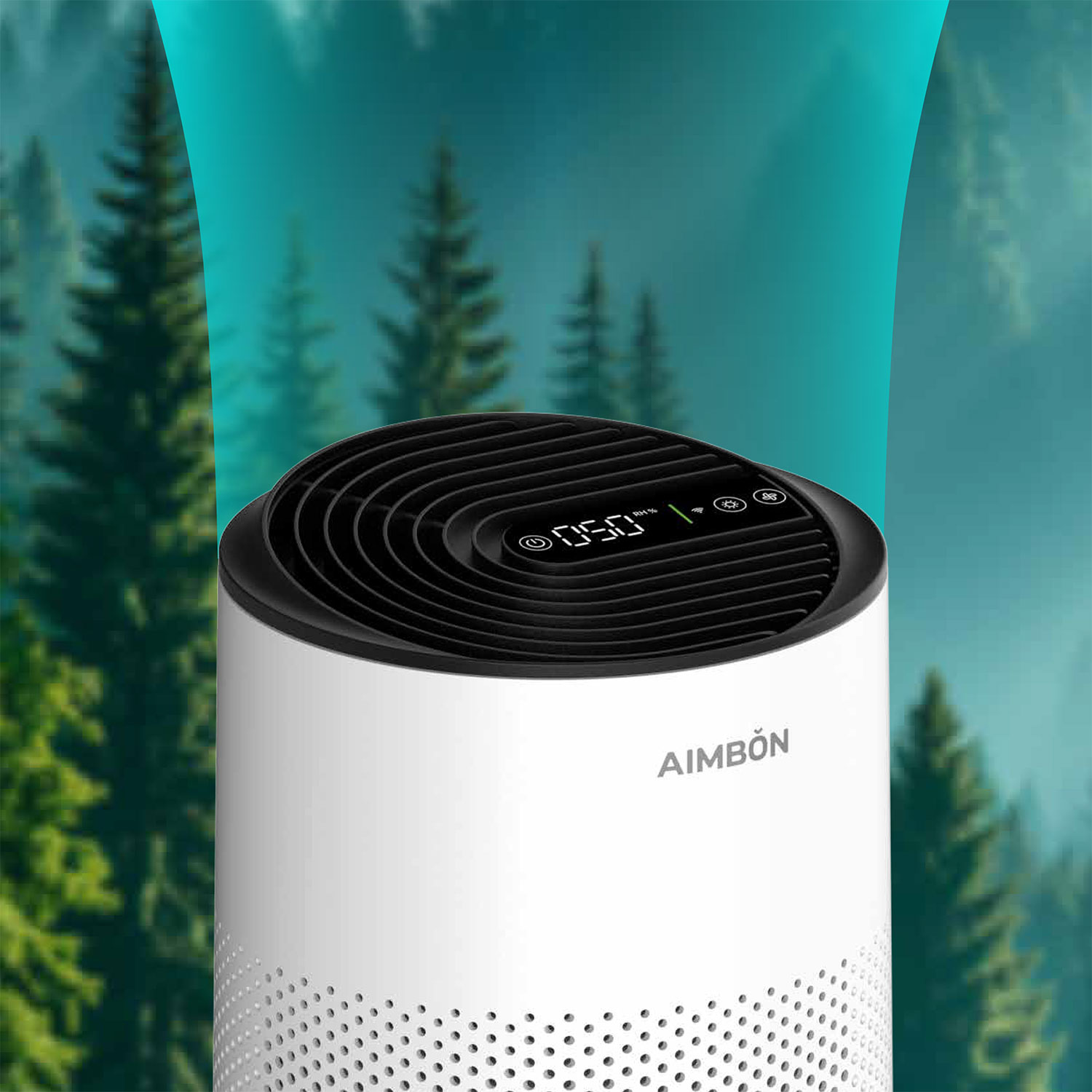
3. Breaking the Defense Line: The Role of Air Purifiers in Pollution Mitigation
During severe regional smog or smoke events like those in Chile, municipal authorities typically advise residents to stay indoors and close windows. However, indoor environments are not automatically safe havens. Outdoor PM2.5 and toxic gases easily penetrate building envelopes through gaps in windows and doors, combining with indoor cooking fumes, pet dander, and furniture VOCs to create high indoor pollution levels.
Deploying high-efficiency air purification systems represents the most direct and effective strategy for securing clean indoor breathing zones:
“Modern air purifiers mitigate indoor health risks by actively capturing sub-micron particulate matter, neutralizing gaseous irritants, and continuously circulating clean air throughout living and sleeping spaces.”
Targeted Performance Advantages of Air Purifiers:
- High-Efficiency Particulate Interception (PM2.5 & PM10): Utilizing high-grade HEPA media or advanced filter-free water-wash (hydro-purification) technologies, modern purifiers remove over 99.97% of airborne particles as small as 0.3 microns, rapidly lowering indoor PM2.5 concentrations.
- Adsorption and Neutralization of Toxic Gases & Odors: To combat vehicle emissions (NO2), smoke odor, and formaldehyde, units equipped with activated carbon or liquid scrubbing curtains neutralize volatile organic compounds and irritating gases in real time.
- Improved Air Circulation & Respiratory Moisture Balance: In winter or closed climate-controlled rooms, wet-style water-wash purifiers simultaneously scrub floating dust while maintaining comfortable relative humidity levels (45%–55%), soothing respiratory mucous membranes irritated by cold, polluted air.