
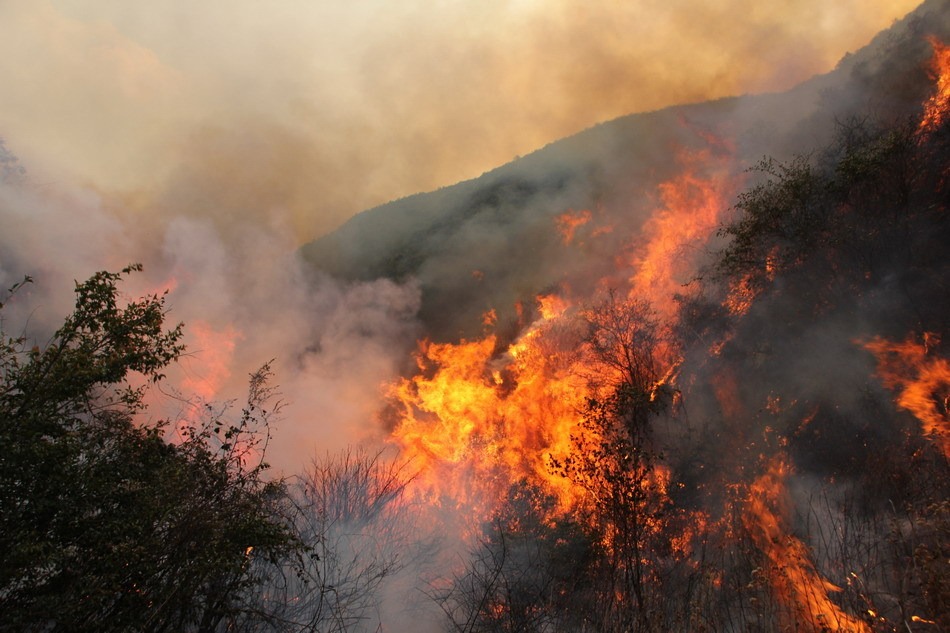
In recent seasons, fast-moving grassfires across eastern Oregon and southwestern Idaho have transformed vast stretches of high-desert rangeland into scorched landscapes. Fueled by dry fuels, record summer heat, and erratic winds, these range blazes burn at extraordinary speeds—often consuming tens of thousands of acres in mere hours. While forest fires frequently dominate national headlines, open rangeland grassfires carry unique, severe hazards that threaten public health, regional air quality, and fragile arid ecosystems.
1. Severe Air Pollution and Public Health Hazards
Unlike timber fires, which generate localized heavy smoke over weeks, grassfires consume flash fuels rapidly, lofting enormous volumes of microscopic particulates and chemical byproducts high into the atmosphere. This fine particulate matter travels across state borders, smothering communities hundreds of miles downwind in thick toxic haze.
The Invisible Killer: PM2.5 Exposure
The primary health threat from wildfire smoke is fine particulate matter (PM2.5)—particles measuring 2.5 micrometers or less in diameter, roughly 30 times smaller than the width of a human hair. Because of their minute size, PM2.5 particles bypass the upper respiratory tract’s natural defenses, penetrating deep into pulmonary alveoli and directly entering the bloodstream.
- Acute Respiratory Distress: Exposure to PM2.5 triggers immediate inflammation of the airways, provoking severe asthma attacks, acute bronchitis, coughing, shortness of breath, and reduced lung capacity.
- Cardiovascular Stress: Once in the bloodstream, smoke particles trigger systemic inflammation and oxidative stress, leading to heightened risks of heart attacks, cardiac arrhythmias, and strokes.
- Hazardous Chemical Cocktails: Rangeland smoke consists of more than just organic ash; it contains carbon monoxide (CO), volatile organic compounds (VOCs), polycyclic aromatic hydrocarbons (PAHs), and toxic gases that cause dizziness, cognitive impairment, and long-term carcinogenic exposure.
2. Ecological Degradation and Environmental Hazards
Beyond immediate air pollution, grassfires inflict deep, lasting damage on the high-desert and sagebrush steppe ecosystems characteristic of the Intermountain West.
The Destruction of Sagebrush Steppe Habitats
The sagebrush steppe is one of North America’s most endangered ecosystems. Unlike fire-adapted pine species, native big sagebrush (Artemisia tridentata) does not resprout after a fire; it can take decades, or even centuries, for mature stands to re-establish. The catastrophic loss of sagebrush cover destroys critical habitat and breeding grounds for iconic species such as the Greater Sage-Grouse and pygmy rabbit.
Invasive Grasses and the Vicious Fire Cycle
Post-fire landscapes are highly vulnerable to invasion by non-native annual grasses, particularly cheatgrass (Bromus tectorum). Cheatgrass outcompetes native perennial species by germinating early in spring and drying out by early summer, creating a dense, continuous blanket of dry fuel.
“The invasion of cheatgrass shortens historical fire return intervals from 30–100 years down to 3–5 years, trapping regional rangelands in a destructive feedback loop that permanently prevents native ecosystem recovery.”
Soil Degradation, Erosion, and Watershed Impacts
High-intensity grassfires burn away the protective biological soil crusts—a delicate layer of lichens, mosses, and cyanobacteria that stabilizes arid soils. The removal of ground cover combined with heat-induced soil hydrophobicity (water repellency) leads to severe post-fire impacts:
- Accelerated Wind & Water Erosion: Stripped of vegetation, topsoil blows away in dust storms or washes off during monsoon rainstorms, depleting essential soil nutrients.
- Water Quality Degradation: Post-fire runoff carries heavy loads of ash, sediment, and organic pollutants into local rivers and creeks (such as the Snake and Owyhee river basins), degrading aquatic habitats and threatening municipal drinking water supplies.
- Carbon Emissions: The burning of millions of acres releases massive pulses of stored carbon back into the atmosphere, contributing to global greenhouse gas concentrations and reinforcing regional climate warming.
3. Pathways Forward and Mitigation
Addressing the double threat of air pollution and ecological collapse from Oregon and Idaho grassfires requires coordinated, proactive management:
- Proactive Fuel Management: Targeted targeted grazing, fuel breaks, and native reseeding campaigns to curb cheatgrass dominance.
- Public Health Adaptation: Enhancing real-time air quality monitoring networks, establishing public clean-air shelters, and distributing high-efficiency filtration (HEPA) systems to vulnerable communities.
- Ecological Restoration: Investing in large-scale post-fire rehabilitation efforts to re-establish native perennial grasses and sagebrush before invasive species take hold.