
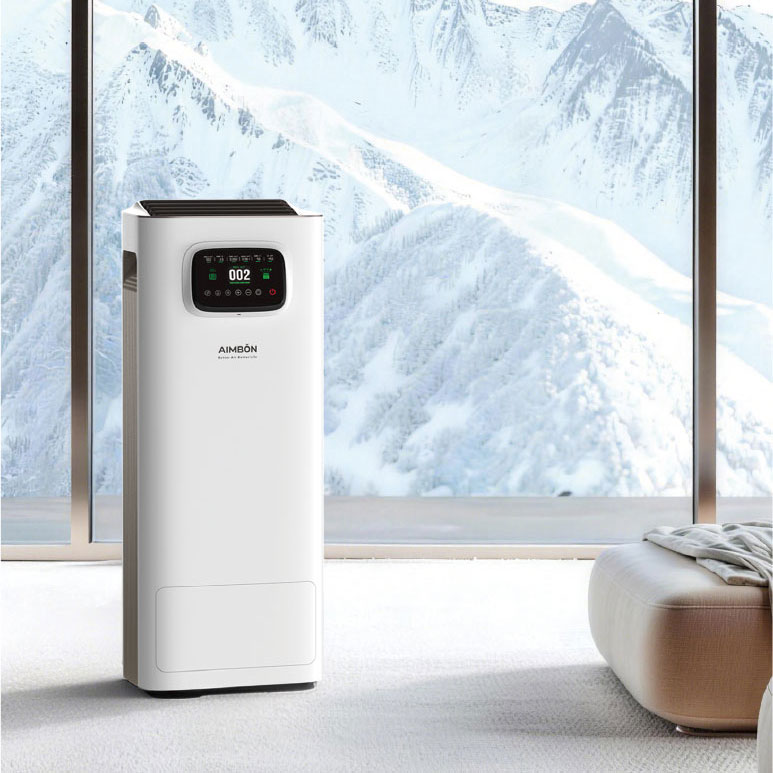
If you have ever shopped for an air purifier, you have probably seen bold claims: “removes 99.97% of particles,” “kills viruses,” “eliminates allergens,” “reduces asthma symptoms.” With wildfires, urban smog, and seasonal allergies making headlines, air purifiers have become a booming industry. But amid the marketing hype, one question lingers: do air purifiers actually work?
This article examines the scientific evidence, debunks common myths, and provides a balanced, evidence-based guide to help you separate fact from fiction.
What Do Air Purifiers Actually Do?
At their core, air purifiers are designed to remove pollutants from the air inside a room. The most common and scientifically validated technology is the High-Efficiency Particulate Air (HEPA) filter. A true HEPA filter is rated to capture 99.97% of particles down to 0.3 microns, including dust, pollen, mold spores, pet dander, and some bacteria.
However, not all air purifiers use HEPA filters. Other technologies include:
- Activated carbon filters – adsorb gases, volatile organic compounds (VOCs), and odors
- Ionizers – electrically charge particles to make them stick to surfaces
- UV-C light – designed to kill or inactivate microorganisms
- Photocatalytic oxidation (PCO) – uses UV light with a catalyst to break down pollutants
- Ozone generators – intentionally produce ozone to “clean” the air (widely discouraged)
Each technology has different strengths, limitations, and potential risks. The blanket statement “air purifiers work” is misleading — it depends entirely on which technology, how it is used, and what you are trying to remove.
Common Myths vs. Scientific Facts
Myth 1: “All air purifiers work the same way.”
Fact: Different air purifiers use completely different technologies targeting different pollutants. A HEPA filter captures particles but does little to remove gases or odors. An activated carbon filter adsorbs gases but does not capture fine particles. An ionizer may reduce particles but can produce harmful ozone as a by-product. Choosing the right technology for your specific indoor air problem is essential.
Myth 2: “HEPA filters remove 99.97% of all pollutants from the air.”
Fact: A true HEPA filter removes 99.97% of particles that pass through it. However, the real-world effectiveness of the whole device depends on the Clean Air Delivery Rate (CADR), room size, air leakage, and how well the unit is sealed. Some products labelled “HEPA-type” or “HEPA-like” do not meet the true HEPA standard. Furthermore, HEPA filters do not capture gases, VOCs, or odours — those require a separate activated carbon layer.
Myth 3: “Air purifiers eliminate viruses and prevent respiratory infections.”
Fact: This is one of the most heavily marketed claims — and one of the weakest in terms of evidence. A landmark 2025 review analysed nearly 700 studies on air-cleaning technologies conducted between 1929 and 2024. The researchers found that only 9% of studies examined whether the devices actually reduced illness in humans. The vast majority tested devices in lab chambers, not in real-world settings. Another analysis of 672 studies found that just about 8% tested whether air purifiers reduced infections in people; over 90% relied on air sampling in empty rooms or used animal models.
Dr. Lisa Bero, co-author of the study, said: We were surprised to find that most of the research tested air-cleaning devices in lab chambers, not in real-world settings where people live, work, or go to school.
The researchers concluded that while these technologies look promising on paper, we just don’t know if they work in the real world.
Some studies have even found that portable air purifiers did not prevent respiratory infections in nursing home residents or reduce children’s exposure to respiratory viruses in classrooms.
Myth 4: “Ozone air purifiers are safe and effective.”
Fact: This is not only a myth — it is a health hazard. Ozone generators, often marketed as “air purifiers,” intentionally produce ozone, a lung irritant. The Mayo Clinic states that ozone air purifiers don’t remove asthma triggers from the air. In fact, inhaled ozone can make asthma worse.
The California Air Resources Board (CARB) warns that ozone generators are ineffective at cleaning indoor air
and inhaling ozone poses serious health risks for humans and animals.
Ozone can cause throat irritation, coughing, chest pain, shortness of breath, and increased risk of respiratory infections.
Even more concerning: ozone can react with existing chemicals in the air to create additional toxic pollutants, including formaldehyde and ultrafine particles. CARB strongly recommends that ozone generators not be used, except for approved industrial purposes
, and many health agencies warn against using ionizers or plasma-based devices that produce ozone as a by-product.
Myth 5: “If an air purifier has a HEPA filter, it removes odours.”
Fact: HEPA filters capture particles, not gases or odours. To remove odours, VOCs, and chemical fumes, an air purifier must contain a substantial activated carbon filter — and not just a thin, coated sheet. The thickness and weight of the carbon bed matter significantly for gas adsorption capacity.
Myth 6: “Air purifiers are a waste of money — they don’t improve health.”
Fact: The evidence is mixed. The US Environmental Protection Agency (EPA) states that air cleaners may reduce the health effects from some particles
and that under the right conditions, they can effectively remove certain respirable-size particles (for example, tobacco smoke particles).
However, the EPA also cautions that some controversy exists about whether air cleaners can reduce the allergic reactions produced by larger particles such as pollen, house dust allergens, some molds, and animal dander.
A 2025 systematic review of health benefits from air purification found that HEPA filters can improve lung function and reduce inflammatory biomarkers in some settings. Real-world studies during the 2025 Los Angeles wildfires showed that portable HEPA purifiers provided statistically significant but modest reductions in PM2.5 levels
during fire events. Another study found that HEPA/carbon filters significantly reduced indoor NO₂ and PM2.5 in homes with gas stoves.
On the other hand, a comprehensive review concluded that most air-cleaning technologies lack rigorous evidence of real-world health benefits. The researchers called for stronger studies that look at actual health outcomes, whether people are actually exposed to fewer pathogens or get sick less often, and not just measurements of particles in the air.
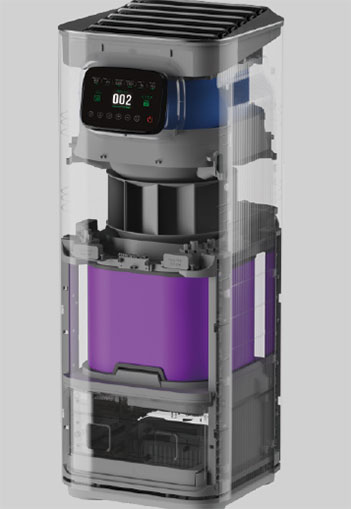
Hidden Risks: When Air Purifiers Make Things Worse
Perhaps the most overlooked aspect of the air purifier debate is that some devices can actually harm indoor air quality.
- Ozone emissions: Ionizers, electrostatic precipitators, plasma-based devices, and ozone generators can release ozone — a lung irritant that worsens asthma and can react with other chemicals to form formaldehyde and ultrafine particles.
- Formaldehyde generation: Some PCO (photocatalytic oxidation) air cleaners have been shown to generate formaldehyde, acetaldehyde, nitrogen dioxide, and carbon monoxide.
- Particle re-suspension: Devices with low-quality seals or poorly designed airflow can re-suspend settled particles back into the breathing zone.
- False sense of security: Relying on an air purifier while ignoring source control (removing the source of pollution) and ventilation can lead to continued exposure to pollutants.
Dr. Louis Leslie, a researcher at the University of Colorado, cautioned: Ozone and other chemicals created by some air-cleaning devices can actually harm the respiratory system, especially in children or people with chronic respiratory illnesses.
What the Science Says: A Balanced Summary
Based on the available evidence from 2025–2026 studies, systematic reviews, and government health agencies, here is a balanced summary:
| Claim | Scientific Verdict |
|---|---|
| HEPA filters capture 99.97% of particles that pass through them | TRUE (for true HEPA filters) |
| Air purifiers reduce indoor PM2.5 levels | TRUE (for HEPA-based units) |
| Air purifiers remove gases, VOCs, and odours | ONLY with activated carbon – HEPA alone does not |
| Air purifiers prevent respiratory infections in real-world settings | INSUFFICIENT EVIDENCE – most studies have not tested this in humans |
| Ozone generators are safe and effective air purifiers | FALSE – they are hazardous and ineffective |
| Ionizers and plasma devices are safe | CAUTION – many emit ozone or other harmful by-products |
| Air purifiers improve allergy symptoms | MIXED – some studies show benefit; EPA notes controversy |
Practical Buying Guide: How to Choose an Air Purifier That Actually Works
If you decide to purchase an air purifier, here are evidence-based criteria to guide your decision:
1. Choose the Right Technology for Your Problem
- For particles (PM2.5, dust, pollen, pet dander, smoke): Choose a true HEPA filter (look for “True HEPA” or “HEPA H13” – avoid “HEPA-type” or “HEPA-like”).
- For gases, VOCs, formaldehyde, and odours: Choose a unit with a thick, heavy activated carbon filter (measured in pounds or kilograms, not a thin coated sheet).
- For both particles and gases: Choose a HEPA + activated carbon combination unit.
2. Check the CADR Rating
The Clean Air Delivery Rate (CADR) measures how quickly the purifier cleans the air for specific pollutants (smoke, dust, pollen). Look for a smoke CADR that is at least two-thirds of your room’s area in square feet. For example, a 200 sq ft room should have a smoke CADR of at least 133.
3. Look for Third-Party Certifications
- CARB certification (California Air Resources Board) – ensures the device does not emit harmful levels of ozone.
- AHAM Verifide – verifies CADR claims.
- Energy Star – indicates energy efficiency.
4. Avoid Ozone-Generating Technologies
Avoid devices that intentionally produce ozone (ozone generators). Be cautious with ionizers, electrostatic precipitators, and plasma-based devices, as many produce ozone as a by-product. The EPA and CARB both strongly advise against using ozone-generating air cleaners in occupied spaces.
5. Size the Unit Correctly
A small purifier in a large room will not be effective. Match the unit’s recommended room size (or CADR) to your space. For open-plan areas, you may need multiple units.
6. Consider Maintenance Costs
HEPA and carbon filters need regular replacement (typically every 6–12 months). Factor in the cost of replacement filters before purchasing.
Final Verdict: Are Air Purifiers Worth It?
Yes — but with important caveats.
A high-quality air purifier with a true HEPA filter and a substantial activated carbon layer can effectively reduce indoor particulate matter and certain gaseous pollutants. Scientific studies have demonstrated significant reductions in PM2.5, NO₂, and allergens in real-world homes. For people with allergies, asthma, or those living in areas with frequent wildfires or high outdoor pollution, a well-chosen air purifier can be a valuable tool.
However, air purifiers are not a magic bullet. They do not replace source control (removing the source of pollution), proper ventilation, or basic hygiene measures like handwashing and mask-wearing during outbreaks. The evidence that they prevent respiratory infections in real-world settings remains weak and inconclusive.
Furthermore, not all air purifiers are created equal. Some technologies — particularly ozone generators, ionizers, and plasma-based devices — can actually harm indoor air quality by emitting ozone and other toxic by-products. Consumers must be informed and choose wisely.
As Dr. Vikas Maurya, Senior Director of Respiratory Medicine at Fortis Hospital, summarised: Air purifiers may be considered in special circumstances, such as when there are high-risk individuals, for example, patients with asthma, COPD, or interstitial lung disease, particularly if outdoor air pollution levels are very high. In such cases, air purifiers can provide additional benefit, but they are not necessary for everyone.
The bottom line: Air purifiers work for specific pollutants when using the right technology, sized correctly, and maintained properly. But they are not a substitute for ventilation, source control, or proven public health measures. And some devices can do more harm than good. Before buying, do your research, check certifications, and choose a unit that matches your specific needs.