
Breathing the Flame: How Wildfire Smoke Impacts Everyone’s Health and Air Quality
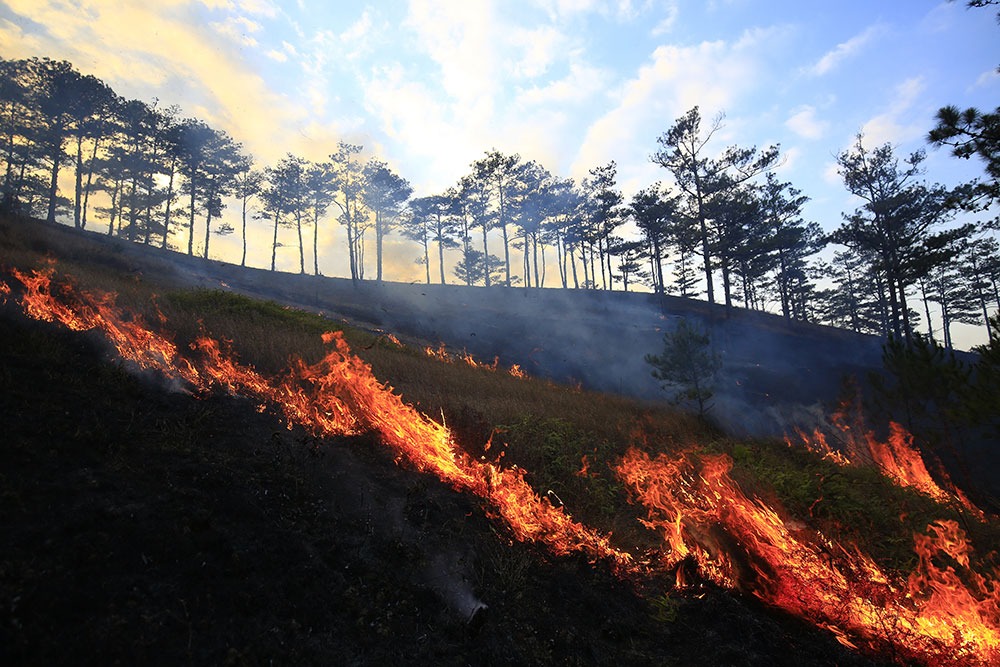
In recent years, catastrophic forest wildfires have become an alarming global norm. From the vast boreal forests of North America to the dense woodlands of Europe and Australia, wildfires release massive plumes of dark, acrid smoke that travel thousands of miles. While media coverage often focuses on the immediate destruction of flames, the far-reaching **air pollution** caused by wildfire smoke poses a much broader, subtle, and ubiquitous health hazard.
A common misconception is that wildfire smoke only harms “vulnerable populations”—such as elderly individuals, young children, or those with asthma. In reality, **wildfire smoke impacts everyone**, including young, healthy adults, athletes, and outdoor workers. Understanding the chemical nature of smoke pollution and how it targets the human body is the first step toward effective defense.
1. What Makes Wildfire Smoke So Toxic?
Wildfire smoke is not simply wood ash; it is a complex, dynamic chemical soup produced by incomplete combustion. It consists of thousands of individual compounds that change dynamically as smoke travels through the atmosphere under sunlight and heat.
- Fine Particulate Matter (PM2.5): The primary hazard in smoke. PM2.5 refers to microscopic particles smaller than 2.5 micrometers in diameter—roughly 1/30th the thickness of a human hair. They remain suspended in the atmosphere for days or weeks and penetrate deep into human airways.
- Toxic Gaseous Pollutants: Wildfire smoke carries significant concentrations of carbon monoxide (CO), nitrogen oxides (NOx), volatile organic compounds (VOCs, such as benzene and formaldehyde), and polycyclic aromatic hydrocarbons (PAHs).
- Ground-Level Ozone (O3): As smoke plumes mix with nitrogen oxides and sunlight during transport, chemical reactions form ground-level ozone—a harsh lung irritant that triggers acute coughing and airway inflammation.
- Synthetic Toxins from the Wildland-Urban Interface (WUI): When wildfires expand into residential areas, burning homes, vehicles, and electronics release heavy metals, plastics, and chlorinated compounds, exponentially increasing smoke toxicity.
2. How Wildfire Smoke Affects Everyone: Healthy Adults Included
Even if you do not suffer from pre-existing respiratory or cardiovascular diseases, exposure to elevated levels of wildfire smoke triggers immediate and long-term biological reactions across your entire body.
Short-Term Symptoms in Healthy Individuals
When healthy adults inhale smoke-polluted air, the immune system launches an immediate inflammatory defense. Common acute reactions include:
- Stinging, watery eyes and conjunctival irritation
- Persistent dry cough, throat soreness, and hoarseness
- Sinus congestion, runny nose, and severe headaches
- Shortness of breath, chest tightness, and rapid fatigue during physical exertion
Systemic Health Consequences Beyond the Lungs
Because PM2.5 particles are small enough to pass directly through pulmonary alveoli and enter the bloodstream, smoke exposure affects systemic bodily function:
- Vascular Inflammation & Heart Stress: Inhaled PM2.5 causes blood vessels to constrict and increases blood viscosity. This forces the heart to work harder, increasing heart rate and blood pressure—even in young, fit individuals.
- Systemic Immune Response: The body treats smoke particles as foreign invaders, triggering systemic oxidative stress that can leave healthy people feeling exhausted and sluggish for days.
- Neurological Effects: Emerging research indicates that ultrafine smoke particles can travel along the olfactory nerve directly to the brain, contributing to brain fog, difficulty concentrating, and headaches.
“There is no ‘safe’ threshold for PM2.5 exposure. Even brief exposure during an intense smoke event can reduce lung function in healthy adults and compromise immune defenses against respiratory infections.”
3. The Transboundary and Indoor Danger
One of the most dangerous attributes of wildfire smoke is its ability to travel vast distances. High-altitude atmospheric winds can carry toxic plumes thousands of kilometers away from the fire zone, smothering city centers that are hundreds of miles away from any active flames.
Furthermore, **indoor air is not automatically protected**. Unless a building features an airtight envelope and high-efficiency filtration, outdoor smoke enters homes through window gaps, door seams, and HVAC ventilation systems. During severe smoke events, indoor PM2.5 levels can reach up to 70–80% of outdoor concentration levels if no purification steps are taken.

4. Essential Protection Strategies for Every Household
When wildfire smoke impacts your region, taking proactive measures can dramatically lower your exposure and safeguard long-term health:
Actionable Indoor and Outdoor Defense:
- Monitor Local Air Quality Index (AQI): Check real-time AQI readings regularly. When AQI exceeds 100–150 (Unhealthy for Sensitive Groups to Unhealthy), limit outdoor activities.
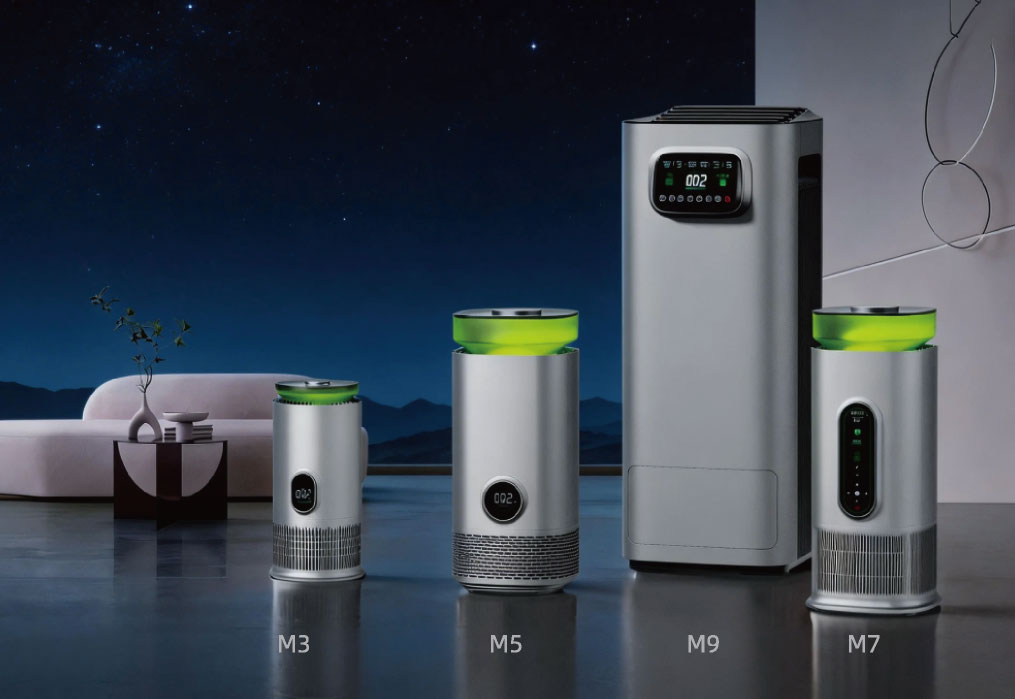
- Seal and Create a “Clean Air Room”: Close all windows and doors. Designate a specific room (such as a bedroom) as a clean-air sanctuary by running high-efficiency air purifiers continuously.
- Deploy Effective Air Purification: Use purifiers equipped with true HEPA filtration or advanced hydro-purification (water-wash) systems that capture airborne PM2.5, smoke ash, and gaseous VOC odors.
- Wear Respirators Outdoors: Standard surgical or cloth masks do not block microscopic PM2.5 particles. Wear a well-fitted **N95, KN95, or FFP2 respirator** if you must go outside.
- Avoid Indoor Particle Sources: Refrain from burning candles, vacuuming without a HEPA filter, or frying food during heavy smoke episodes to avoid worsening indoor air quality.
Conclusion
Wildfire smoke air pollution is an inescapable reality of our changing climate. It is a universal health hazard that disregards age, fitness level, and geographic distance from the forest. By recognizing that wildfire smoke harms *everyone*, we can adopt smarter habits, invest in clean indoor air technologies, and protect our long-term health whenever the skies turn hazy.