
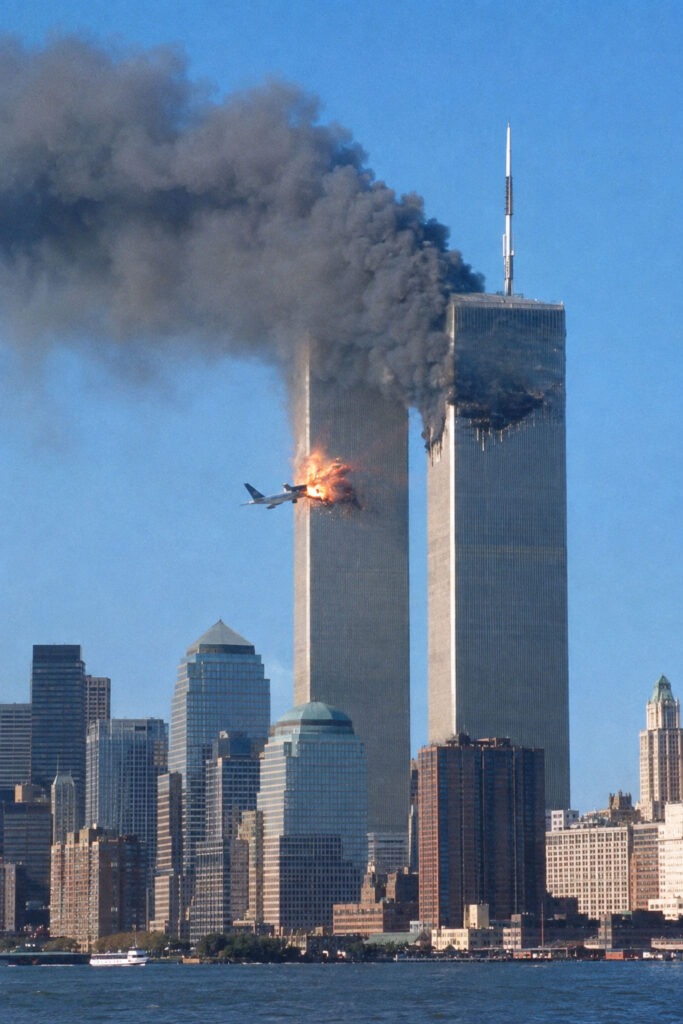
September 11, 2001, is etched into human history as a day of tragic loss, but it also marked the beginning of one of the most complex environmental and public health disasters in modern times. When the World Trade Center towers collapsed, they released a massive, acrid plume of toxic dust and smoke that engulfed Lower Manhattan and surrounding areas for months. Decades later, the physical fallout continues to claim lives, serving as a solemn reminder of how severely hazardous airborne contaminants can impair human health.
Environmental and Health Reflection
September 11, 2001, is etched into human history as a day of tragic loss, but it also marked the beginning of one of the most complex environmental and public health disasters in modern times. When the World Trade Center towers collapsed, they released a massive, acrid plume of toxic dust and smoke that engulfed Lower Manhattan and surrounding areas for months. Decades later, the physical fallout continues to claim lives, serving as a solemn reminder of how severely hazardous airborne contaminants can impair human health.
1. Anatomy of the Plume: What Was in the 9/11 Airborne Toxic Dust?
The collapse of the Twin Towers and the ongoing fires that burned through December 2001 created a lethal chemical cauldron. Millions of square feet of building materials, furniture, electronics, and jet fuel were incinerated and pulverized into fine and ultrafine airborne particles.
- Highly Alkaline Concrete & Gypsum Dust: Comprising 80%–90% of the settled dust mass, crushed concrete created a caustic mixture with a pH level between 11 and 12, causing severe physical and chemical burns to airways and digestive tracts.
- Asbestos & Vitreous Fibers: Tens of thousands of tons of asbestos insulation and mineral wool were shattered into microscopic breathable fibers, known to cause pulmonary fibrosis, lung cancer, and mesothelioma.
- Carcinogenic Combustion Byproducts: Jet fuel fires released persistent organic pollutants (POPs), including polycyclic aromatic hydrocarbons (PAHs), dioxins, and polychlorinated biphenyls (PCBs).
- Toxic Heavy Metals: Lead from electrical cables, mercury from fluorescent lighting, and industrial metals like cadmium and nickel were dispersed into fine aerosolized dust.
- Ultrafine Particulate Matter (PM2.5 & PM0.1): Microscopic combustion particles penetrated deep into the pulmonary alveoli and entered the bloodstream, triggering widespread systemic inflammation.
“The health risks posed by direct exposure to the acrid dust were underestimated at the time. Over 400,000 first responders, local workers, residents, and students breathed in air filled with pulverized toxins for weeks and months after the collapse.”
2. The Human Toll: Chronic Illnesses and Long-Term Consequences
Medical surveillance conducted by the World Trade Center Health Program has documented a distinct cluster of long-term aerodigestive, neurological, and oncological conditions among exposed populations:
Primary Certified Health Conditions Linked to 9/11 Toxic Air:
- Severe Aerodigestive Disorders: Chronic bronchitis, asthma, reactive airways dysfunction syndrome (RADS), and the iconic persistent “WTC Cough” affect thousands of survivors.
- Gastroesophageal Reflux Disease (GERD): Inhaled toxic particles swallowed during exposure caused chronic inflammation of the esophagus and upper digestive tract.
- Over 60 Certified Cancers: Carcinogenic exposures led to dramatic spikes in prostate cancer, thyroid cancer, skin cancer, lung cancer, and blood cancers such as multiple myeloma, lymphoma, and leukemia.
- Neurological & Cognitive Impairment: Recent clinical research shows ultrafine toxic particles were capable of crossing the blood-brain barrier, accelerating mild cognitive impairment and neurodegenerative risks among aging survivors.
3. Critical Air Quality Lessons for the Modern World
The tragedy of 9/11 delivered a profound wake-up call regarding the vulnerability of the human respiratory system when faced with severe air pollution, chemical off-gassing, and industrial catastrophes. Today, growing challenges such as urban smog, wildfire smoke plumes, and indoor chemical vapors make air safety an urgent, daily health priority.
| Hazard Category | Specific 9/11 Contaminants | Modern Air Protection & Technology Countermeasures |
|---|---|---|
| Caustic Dust & Particulates | Pulverized concrete, gypsum, synthetic glass wool (pH 11–12) | Multi-stage physical filtration and liquid hydro-purification to entrap sub-micron particles. |
| Carcinogenic Gases & VOCs | Dioxins, PAHs, PCBs, burning synthetic polymers | Continuous chemical adsorption, molecular scrubbing, and filter-free air care architecture. |
| Fibrogenic Toxins | Asbestos fibers, heavy metal dusts (Lead, Mercury) | Sealed negative pressure containment, advanced respiratory PPE, and bio-aligned air purification. |
Honoring the Victims Through Vigilance and Advanced Air Safety
Remembering 9/11 is not only about commemorating loss; it is about taking action to safeguard human health against airborne toxic threats. Whether managing municipal emergency responses or securing indoor air environments, understanding the dangers of airborne contaminants empowers us to build safer, healthier living spaces.
Contact Environmental Air Care Experts for Technical Inquiries & Sourcing