
Executive Overview
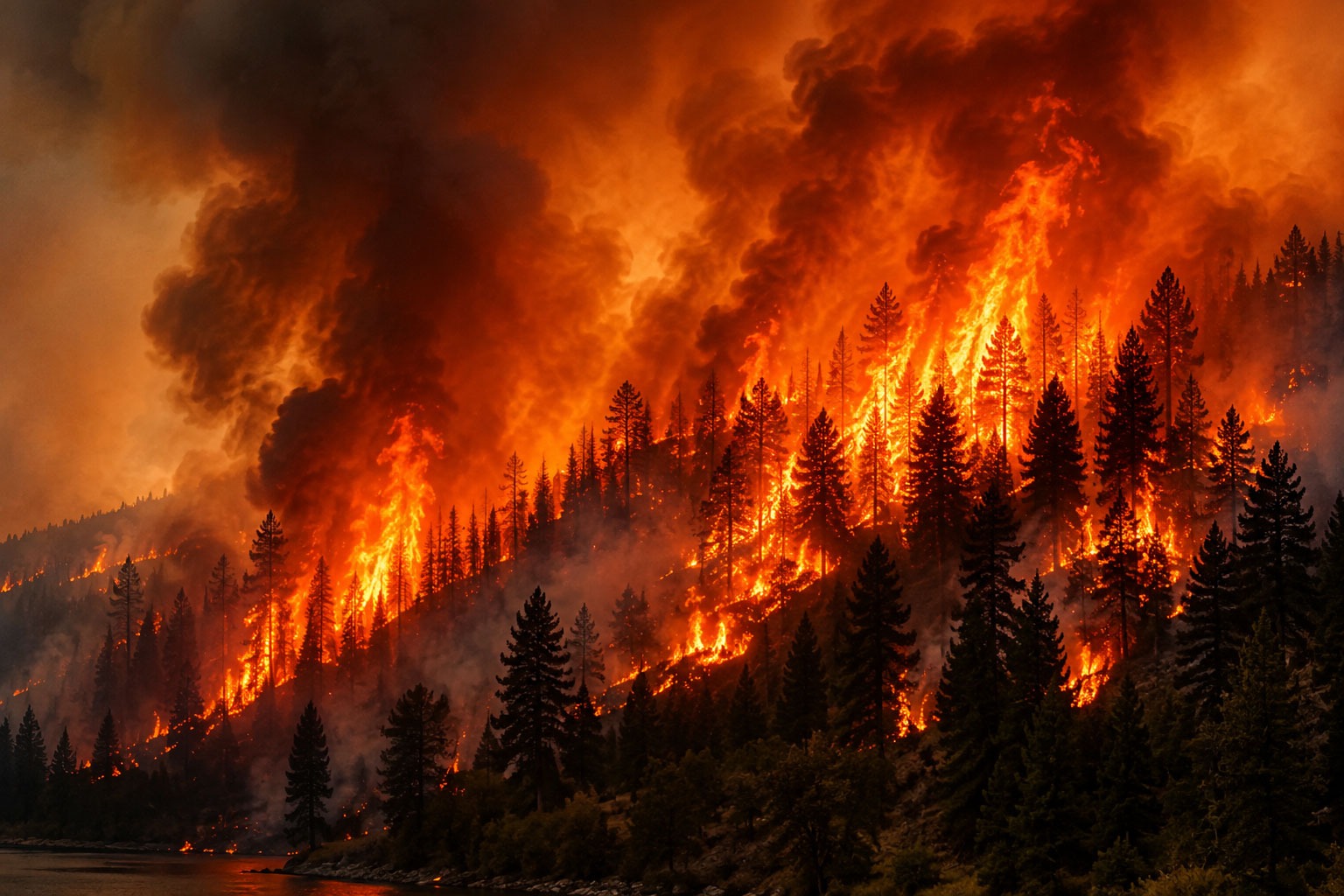
The recent emergence of the Aspen Acres Fire in Colorado serves as a stark reminder of the escalating wildfire risks across the American West. Fueled by prolonged dry spells, volatile weather patterns, and dense vegetation, wildfires rapidly transform vast natural landscapes into sources of immediate physical destruction and widespread atmospheric pollution. Protecting communities requires a dual approach: rigorous fire prevention and defensive land management to reduce wildfire ignition, alongside proactive indoor air protection to mitigate the severe health risks posed by toxic smoke plumes.
1. Wildfire Prevention Strategies: Safely Defending Communities
Preventing catastrophic wildfires like the Aspen Acres Fire requires coordinated action between land management agencies, rural communities, and individual homeowners. Because most wildfires stem from either lightning strikes or preventable human activity, establishing defensive perimeters is critical.
Essential Fire Mitigation Practices:
- Creating Defensible Space: Maintain a 30-to-100-foot buffer around homes by clearing dry brush, dead leaves, low-hanging tree branches, and combustible yard debris.
- Fire-Resistant Landscaping and Construction: Utilize fire-retardant building materials for roofing, siding, and decking. Replace highly flammable vegetation near structures with drought-tolerant, fire-resistant plant species.
- Adherence to Local Burn Bans: Rigorously follow regional fire restrictions during high-risk weather alerts. Avoid open campfires, outdoor burning, and using spark-emitting machinery during hot, windy conditions.
- Vehicular and Equipment Safety: Ensure vehicles do not park over dry grass, as hot exhaust systems can easily ignite dry vegetation. Keep trailer chains secured to prevent sparks on roadways.
Community wildfire resilience begins at the property line. Creating defensible space significantly increases the odds of structure survival while providing safer operational zones for firefighters.
2. Environmental and Atmospheric Hazards of Wildfire Smoke
While flames present an immediate physical threat, the atmospheric smoke generated by the Aspen Acres Fire poses a far broader health hazard, often extending hundreds of miles downwind from the active burn zone.
Key Environmental and Health Threats:
- Elevated Fine Particulate Matter (PM2.5): Wildfire smoke contains massive concentrations of fine particulates measuring 2.5 micrometers or smaller. These particles bypass the upper respiratory tract, penetrating deep into pulmonary alveoli and entering the bloodstream.
- Toxic Chemical Cocktails: As wildfires burn trees, organic soil layers, and man-made structures, they release harmful gases including carbon monoxide (CO), nitrogen oxides (NOx), volatile organic compounds (VOCs, such as benzene and formaldehyde), and polycyclic aromatic hydrocarbons (PAHs).
- Widespread Ecosystem Damage: Airborne ash deposits settle into watersheds, degrading regional drinking water quality, causing soil acidification, and disrupting aquatic ecosystems.
- Systemic Human Health Consequences: Exposure to smoke pollution triggers acute asthma attacks, bronchitis, cardiovascular strain, eye irritation, severe headaches, and long-term lung function impairment—even in healthy individuals.
3. The Protective Role of Air Purifiers Against Wildfire Smoke
During severe wildfire events, outdoor air quality rapidly drops into “Unhealthy” or “Hazardous” categories on the Air Quality Index (AQI). While staying indoors with sealed windows is an essential first step, indoor air can quickly become contaminated as outdoor smoke infiltrates window seams, door gaps, and ventilation channels.
This is where high-performance air purification technology acts as a critical line of health defense.
How Air Purifiers Neutralize Wildfire Smoke:
- Interception of Fine Particulate Matter (PM2.5): Air purifiers equipped with True HEPA filtration or advanced hydro-purification (water-wash) systems physically trap fine ash, soot, and sub-micron smoke particles, rapidly reducing indoor PM2.5 concentrations.
- Adsorption of Hazardous VOCs and Odors: High-capacity activated carbon filters or liquid scrubbing chambers absorb gaseous pollutants, smoke odors, and volatile organic compounds that mechanical mesh filters cannot capture.
- Creating a “Clean Air Sanctuary”: Operating a high-CADR air purifier continuously in a designated room (such as a bedroom) provides a safe, low-particle environment for rest, supporting overnight respiratory recovery for children, the elderly, and sensitive individuals.
- Preventing Indoor Secondary Pollution: By recirculating and filtering indoor air, air purifiers prevent microscopic ash particles from settling onto furniture, carpets, and bedding where they could be re-suspended into the air later.
| Smoke Pollutant Component | Health Risk | Air Purifier Remediation Mechanism |
|---|---|---|
| Particulate Matter (PM2.5 / PM10) | Deep lung irritation, inflammation, asthma attacks. | True HEPA / Hydro-Purification: Captures sub-micron physical particles with up to 99.97% efficiency. |
| Gaseous VOCs & Acrolein | Eye stinging, dizziness, chemical airway irritation. | Activated Carbon / Water Scrubbing: Chemically adsorbs or dissolves volatile gaseous compounds. |
| Pungent Smoke Odor | Nausea, headaches, sleep disturbance. | Dual Filtration Systems: Neutralizes organic odor molecules for a fresh indoor microclimate. |

Conclusion
The Aspen Acres Fire underscores the imperative for proactive wildfire management and individual health readiness. By combining aggressive fire prevention strategies around our properties with advanced indoor air purification within our homes, we can safeguard our communities from the physical threat of flames and the pervasive health hazards of wildfire smoke.