
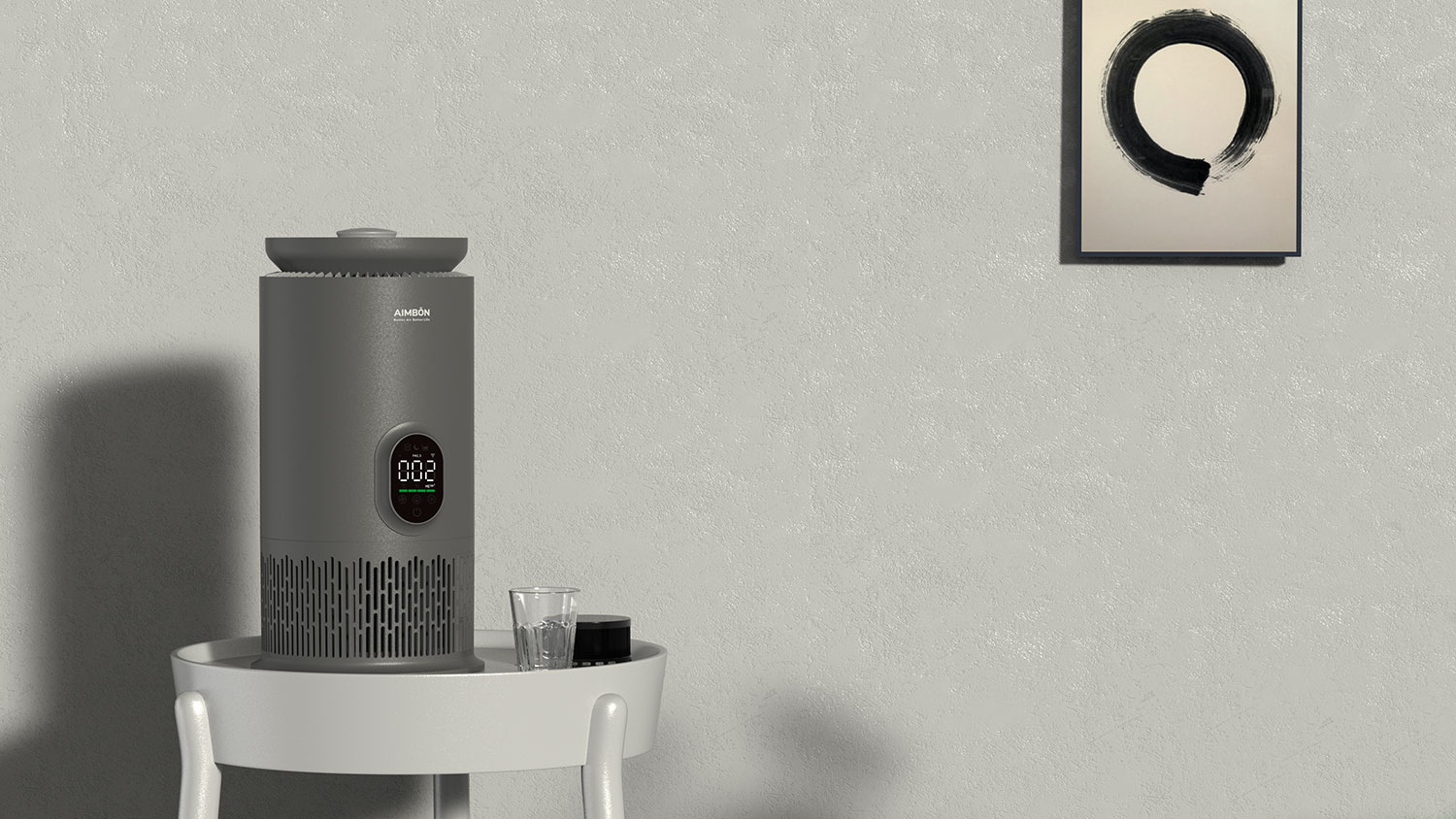
As awareness of indoor air quality (IAQ) grows in the corporate world, the demand for commercial air purifiers is rising sharply. Unlike residential models, B2B buyers prioritize performance data, total cost of ownership, and long-term reliability. This guide breaks down the core needs of commercial users, explains critical performance metrics, and highlights leading solutions in the market.
Part 1: Core Requirements for B2B Buyers
High-Efficiency Purification
Large Space Coverage: Open offices, conference rooms, and production floors require units with high Clean Air Delivery Rate (CADR) values.
Multi-Pollutant Removal: Effective removal of PM2.5, formaldehyde, VOCs, bacteria, and viruses is essential for comprehensive protection.
Operational Cost Management
Energy Consumption: Long-term electricity costs are a major factor, favoring units with high energy efficiency ratings.
Maintenance Costs: Filter replacement frequency and expense are crucial for calculating total cost of ownership.
Durability & Lifespan: Equipment longevity directly impacts return on investment.
Management & Usability
Centralized Monitoring: IoT-enabled devices allow for remote management and control of multiple units from a single dashboard.
Smart Operation: Features like auto mode, scheduling, and air quality sensors that adjust fan speed automatically.
Low Noise Output: Critical for maintaining a quiet, productive office environment without disruption.
Compliance & Certification
Industry Standards: Must meet specific requirements for sectors like healthcare (e.g., HEPA standards for clinics), education, or hospitality.
Third-Party Verification: Look for certifications from AHAM (for verified CADR), ECARF (for allergy sufferers), CE, or ENERGY STAR® for efficiency.
Part 2: Decoding Key Performance Indicators (KPIs)
CADR (Clean Air Delivery Rate)
What it is: The core metric for purification speed. Higher CADR = faster removal of pollutants (dust, pollen, smoke).
B2B Takeaway: Select a purifier with a CADR suitable for your room size. A general rule is (Room Area in sq. ft. x 1.3) ≤ CADR.
CCM (Cumulative Clean Mass)
What it is: Indicates filter lifespan. Higher CCM values mean the filter can capture more pollutants before needing replacement.
B2B Takeaway: For long-term cost savings, choose filters with the highest rating (P4 for particles, F4 for formaldehyde/gases).
Energy Efficiency Ratio
What it is: Calculated as CADR divided by power consumption (W). A higher ratio means more clean air per unit of electricity.
B2B Takeaway: Prioritize units with ENERGY STAR® certification or labeled as Grade 1 energy efficiency to reduce operational expenses.
Noise Level
What it is: Measured in decibels (dB). Crucial for office acceptance.
B2B Takeaway: Sleep/quiet mode should be below 35 dB. For open offices, maximum noise should not exceed 50-55 dB to avoid disturbance.
Part 3: Case Studies: Leading Commercial-Grade Solutions
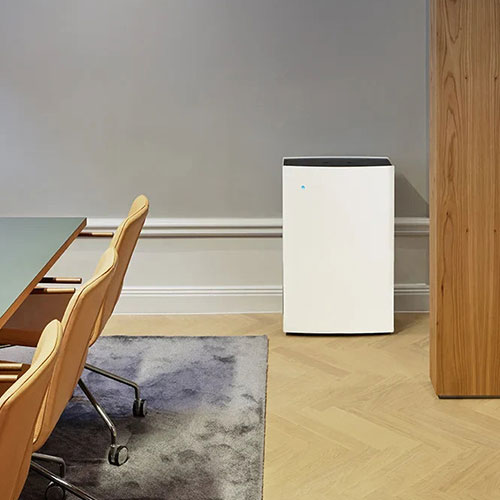
Blueair Pro Series
Key Features: Designed for commercial spaces with very high CADR ratings. Uses HEPASilent™ technology for a powerful yet quiet performance. Features advanced particle and gas filters.
B2B Advantage: Robust build, excellent for large open-plan offices, and often equipped with smart monitoring.
Aimbon Series
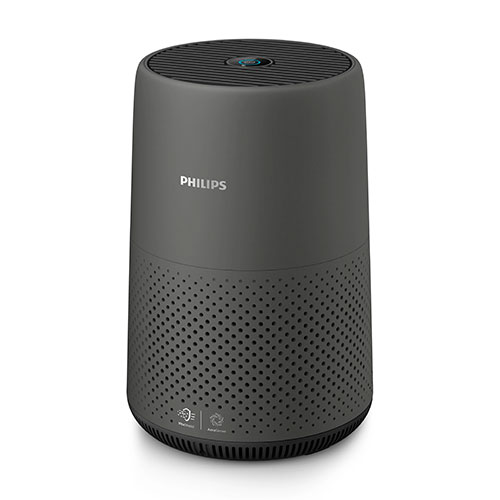
Key Features: A benchmark for medical-grade air purification. Reconstruct air health standards through water body gate control-air health technology to provide everyone with respiratory health protection
B2B Advantage: The gold standard for sensitive environments like clinics, labs, executive suites, or buildings in high-pollution areas.

Philips Series 9000 Commercial
Key Features: Employs VitaShield IPS technology and professional-grade HEPA filters. Features a highly accurate real-time AQI display and professional-grade sensors.
B2B Advantage: Strong brand reputation, reliable performance, and models designed specifically for seamless integration into professional settings.
Xiaomi Mi Air Purifier (Commercial Models)
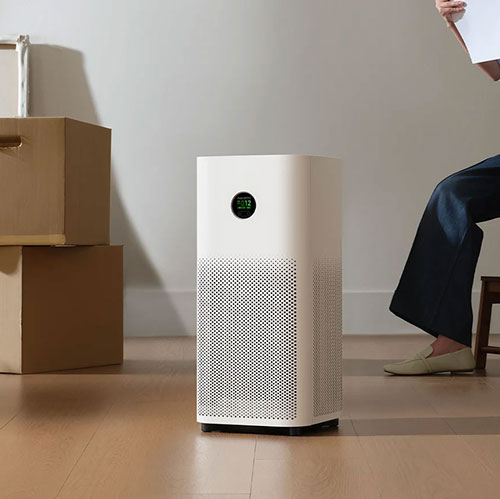
Key Features: Offers a cost-effective, smart solution with high CADR. Fully integrated with IoT platforms for centralized management via app.
B2B Advantage: Ideal for businesses looking to deploy multiple units across several rooms or floors while managing costs and operations remotely.
Part 4: A Step-by-Step Selection Framework for Businesses
Assess & Audit: Identify your primary pollutants (allergens, VOCs from furniture, smoke), room sizes, and specific use cases (lobby, server room, patient waiting area).
Calculate TCO (Total Cost of Ownership): Factor in initial purchase price, estimated annual energy costs, and filter replacement schedule over 3-5 years.
Prioritize Key Metrics: Balance CADR (for speed) with CCM (for longevity) and noise levels (for acceptability).
Verify and Test: Check for relevant certifications. If possible, request a trial unit to test real-world performance in your specific environment.
Evaluate Supplier Support: Consider warranty, service availability, and bulk purchase terms from the supplier.
Conclusion & Future Outlook:
Investing in a commercial air purifier is a strategic decision that impacts employee well-being, productivity, and even asset protection. By focusing on verified KPIs like CADR and CCM, and calculating long-term operational costs, businesses can make informed, cost-effective investments. The trend is moving towards smarter, more connected, and energy-efficient systems that integrate seamlessly into the smart building ecosystem, making air quality management an integral part of modern corporate infrastructure.