
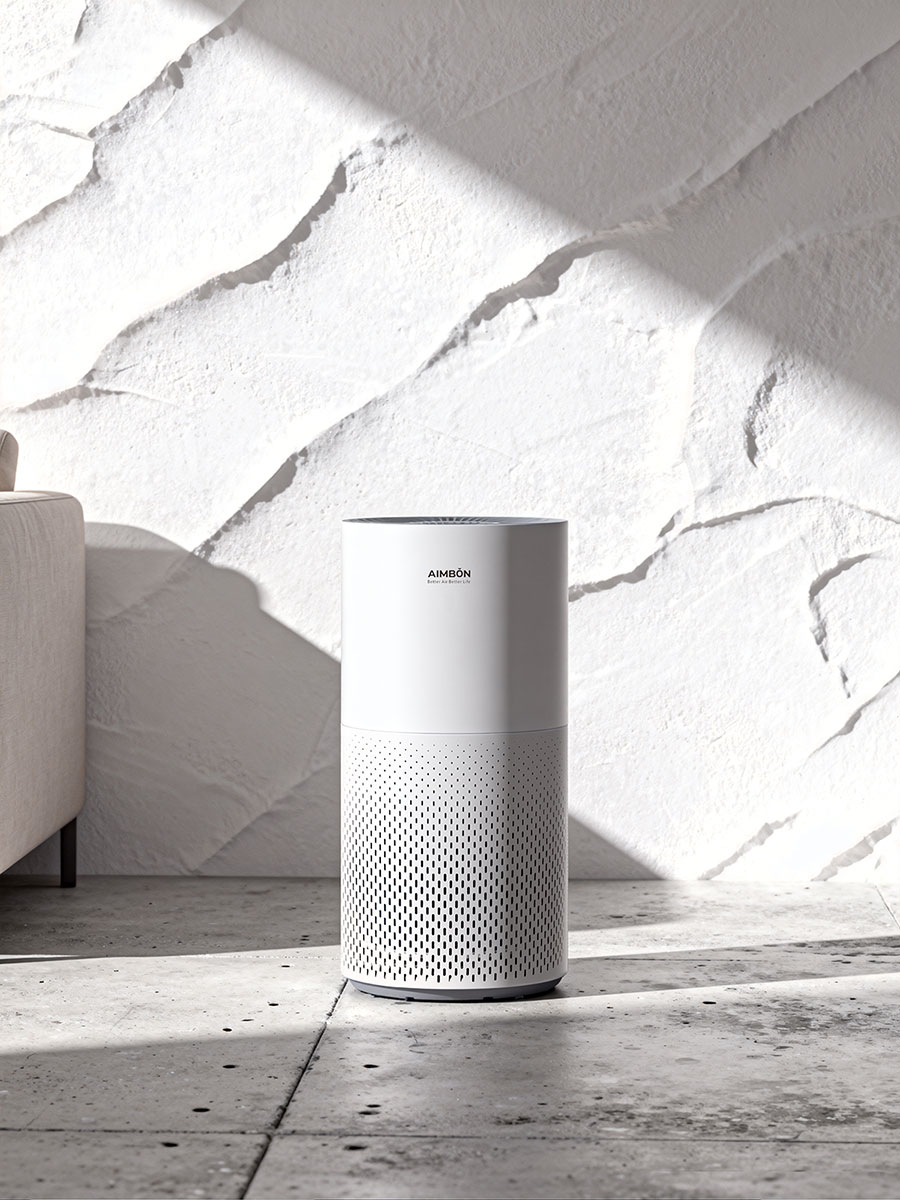
Do Air Purifiers Really Work? The Proven Role in Combating Indoor Air Pollution
As air pollution continues to be a global health concern, many people ask: Do air purifiers really work, or are they just a marketing gimmick? The short answer is a qualified yes. While not a magic solution for all pollution, high-quality air purifiers are a scientifically proven and valuable tool for improving indoor air quality and protecting health.
This article examines the evidence behind air purifier effectiveness, clarifies their role in pollution control, and provides practical advice for choosing and using them.
The Core Question: Is There Scientific Proof?
Independent scientific research provides strong support for air purifiers. A key study from Tsinghua University’s Environmental Quality Testing Center demonstrated that air purifiers can reduce concentrations of inhalable particles in a sealed lab environment by around 60%. While real-world results in open homes will be lower, this confirms the core mechanical principle is sound.
More importantly, clinical research shows direct health benefits. A 2025 randomized, double-blind crossover trial conducted by Kaohsiung Medical University on asthma patients living in a heavily polluted industrial area found that using an air purifier combining photocatalytic oxidation (PCO) and filters led to measurable improvements in lung function (FVC% and FEV1%). This study highlights that for sensitive groups like asthmatics, the health impact can be significant.
What They Do (And Don’t Do) Effectively
Understanding an air purifier’s strengths and limitations is crucial to setting realistic expectations.
Proven Strengths:
Removing Particulate Matter (PM2.5/PM10): This is where air purifiers excel. By using a fan to draw air through a High-Efficiency Particulate Air (HEPA) filter, they can effectively trap dust, pollen, pet dander, smoke, and other fine particles. This directly addresses pollution from traffic, industry, and wildfires that infiltrates indoors.
Reducing Allergens and Bioaerosols: HEPA filters can capture common allergens like pollen and mold spores. Some purifiers with UV-C light or specific filter coatings can also help reduce airborne bacteria and viruses.
Improving Health for Vulnerable Groups: As the asthma study shows, cleaner air can lead to better respiratory health. This makes them particularly valuable for households with children, the elderly, or individuals with allergies or respiratory conditions.

Important Limitations & Considerations:
Variable Performance on Gaseous Pollutants: Removing gases like formaldehyde (HCHO) or volatile organic compounds (VOCs) is more complex. While some models with large amounts of activated carbon or specialized catalysts (e.g., photocatalytic oxidation) can be effective, performance varies widely. A study by the National Indoor Environmental and Product Quality Supervision and Inspection Center in China found that many purifiers claiming to remove formaldehyde were “basically ineffective”. For severe gas pollution, source control and ventilation remain the primary recommendations.
Performance Declines Over Time: A critical 2024 long-term study published in ScienceDirect found that an air purifier’s ability to control both PM2.5 and formaldehyde decreased significantly after 12 months of use in real homes, with effectiveness dropping by over 90% in some cases. This underscores the absolute necessity of regular filter replacement to maintain performance.
They Clean the Air, Not the Source: An air purifier cannot remove pollutants embedded in furniture, carpets, or walls. It cleans the air that circulates through it.
How to Maximize Effectiveness: The Right Use
An air purifier’s performance depends heavily on correct usage:
Choose the Right Size: Match the purifier’s Clean Air Delivery Rate (CADR) to your room size. A CADR that is too low will be ineffective.
Place It Strategically: For best circulation, place the unit in the center of a room or at least 1 meter away from walls and furniture. Avoid corners.
Use It at the Right Time: Close windows and doors while the purifier is running to prevent new pollutants from entering. Use it during high-pollution days or allergy season (“天时”).
Maintain It Faithfully: Replace filters according to the manufacturer’s schedule. A clogged filter drastically reduces efficiency and strains the motor.
Ventilate When Air is Good: An air purifier is not a substitute for fresh air. When outdoor air quality is good, open windows to reduce indoor CO2 and refresh air.
