
New Delhi’s Airpocalypse: Navigating the Smog and the Critical Role of Air Purifiers
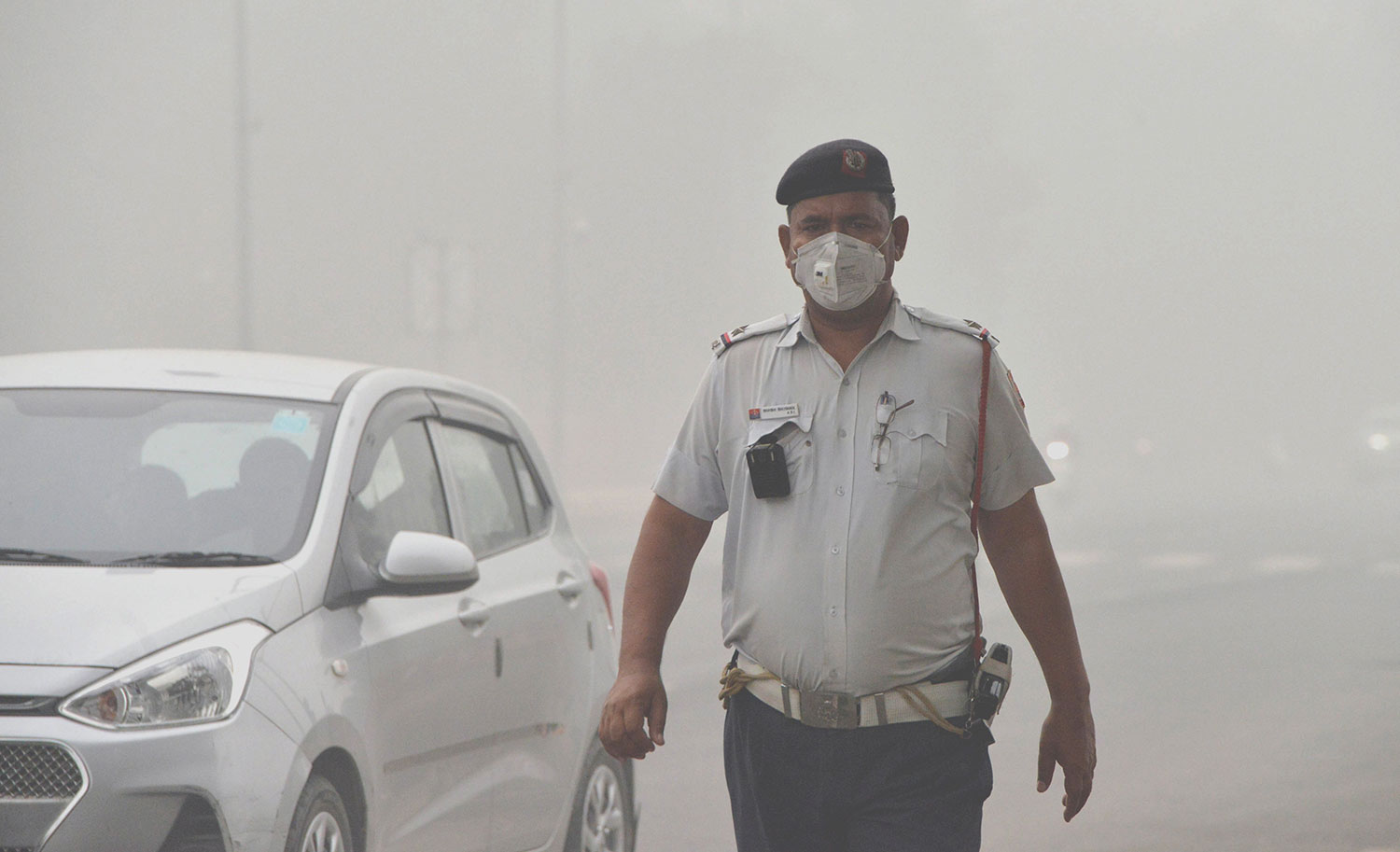
New Delhi, India’s capital, is grappling with an annual environmental and public health emergency. The city, frequently ranked among the world’s most polluted, is enveloped in a toxic haze every winter, disrupting lives and posing severe health risks. This article explores the scale of the crisis, the multi-faceted solutions being implemented, and underscores why personal protective measures, especially air purifiers, have become indispensable for residents.
The Scale of the Crisis: More Than Just Haze
The pollution in Delhi is not merely an inconvenience; it’s a chronic disaster. Recent episodes highlight its severity:
Hazardous Levels: In December 2025, the city’s Air Quality Index (AQI) soared to 433-471, levels classified as “hazardous” and over 30 times the World Health Organization’s recommended limit.
Life Disrupted: Such pollution leads to massive flight cancellations and delays, halts construction, and forces schools to switch to online classes.
Health Emergency: Hospitals report a surge in respiratory illnesses, with one doctor describing the city as a “gas chamber”. Long-term data shows PM2.5 levels consistently exceed safe limits, with an annual average of 108.3 µg/m³ in 2024—21 times the WHO guideline.
Root Causes of the Toxic Smog
Delhi’s pollution is a complex cocktail of factors:
Local Emissions: Vehicle exhaust, industrial pollution, and dust from construction and roads are major contributors.
Regional Crop Burning: Each post-monsoon season, farmers in neighboring states burn crop residue, sending vast plumes of smoke toward Delhi.
Weather Conditions: Winter brings temperature inversions and calm winds that trap pollutants close to the ground, intensifying the smog.
Geographical Trap: Delhi’s location in the Indo-Gangetic Plain makes it a receptacle for pollution from across northern India.
Government Measures: A Multi-Pronged Attack
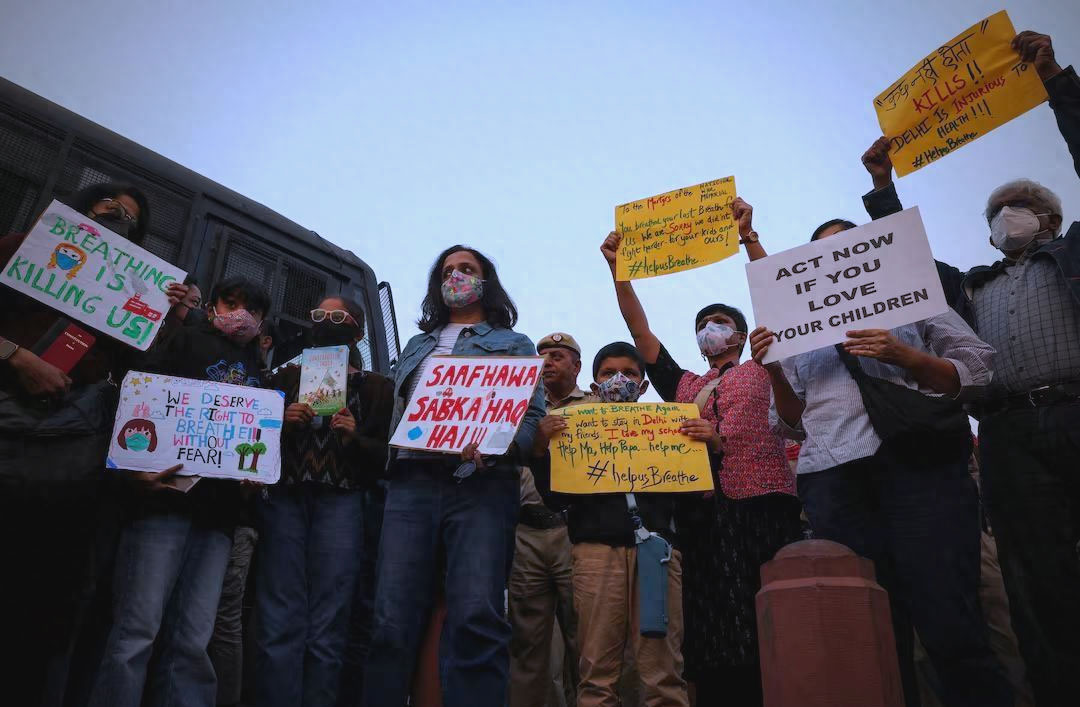
Recognizing the urgency, authorities have launched several initiatives to combat pollution:
Dust Control: Making key areas like the Ring Road “dust-free” through mechanized sweeping and sprinklers.
Traffic & Transport: Identifying and decongesting 250 traffic hotspots and optimizing bus routes to improve public transport.
Vehicle Restrictions: Banning older, more polluting diesel vehicles from entering the city.
Green Initiatives: Mandating tree planting along roads and creating green corridors.
Emergency & Innovative Steps: In severe episodes, enforcing the “Graded Response Action Plan” (GRAP), which includes work-from-home orders and construction bans. Experiments with artificial rain via cloud seeding have also been conducted.
The Personal Defense Line: Why Air Purifiers Are Non-Negotiable
While government action is crucial for long-term improvement, the immediate protection of personal and family health indoors cannot wait. This is where air purifiers transition from a luxury to an essential appliance.
Level of Action Primary Goal Examples of Measures
Government & Policy Reduce ambient pollution at the source. Dust control, traffic management, vehicle bans, green corridors.
Personal & Indoor Create a sanctuary of clean air for immediate health protection. Sealing homes, wearing N95 masks outdoors, and using a high-performance air purifier indoors.
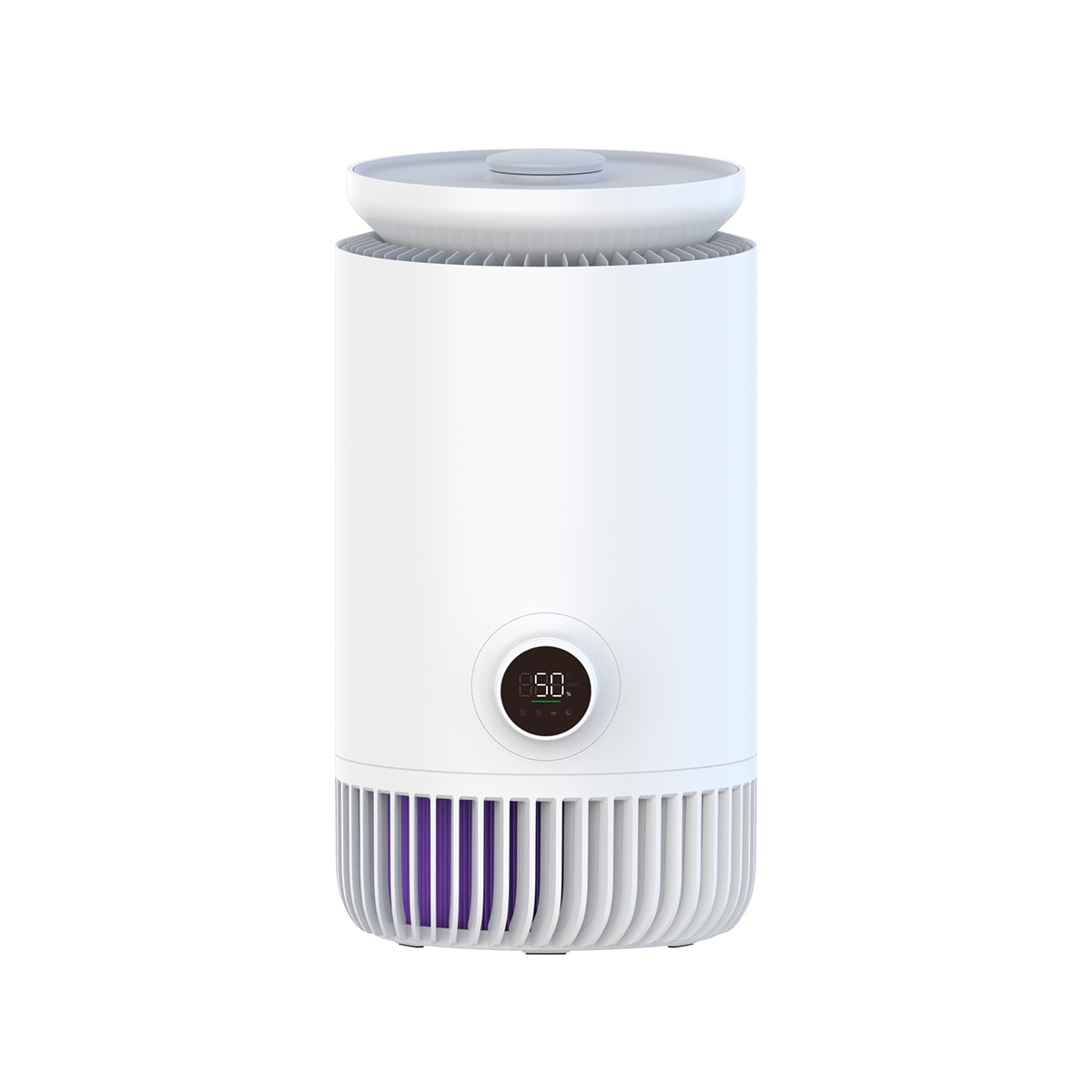
Health experts and air quality agencies like IQAir explicitly recommend using air purifiers during hazardous pollution episodes. The demand for them in Delhi surges during smog events, with models from brands like Xiaomi selling out. An effective purifier with a HEPA filter can remove the fine PM2.5 particles that penetrate deep into the lungs, providing a critical barrier against the outdoor “gas chamber.”
Conclusion: A Dual Strategy for Survival
Solving New Delhi’s air pollution requires persistent, large-scale systemic change—a challenge the government is actively tackling with new plans and technologies. However, in parallel, individual action is equally critical. As the city works toward cleaner outdoor air, residents must take charge of their immediate indoor environments. Investing in a reliable air purifier is not an admission of defeat but a pragmatic and necessary step for safeguarding health today. It represents the vital personal layer of defense in the ongoing battle for breathable air.