
If the air feels heavier these days—if breathing takes just a little more effort than it should—you’re not imagining things. That heaviness has a name: PM2.5. And right now, across most of urban Pakistan, it’s at levels no one should be breathing for long [citation:6].
As of February 2026, Pakistan’s air quality remains persistently poor, with major cities experiencing “unhealthy” to “very unhealthy” conditions that pose serious health risks to millions of residents, especially children and the elderly [citation:1][citation:8].
The Current Reality: Alarming Numbers
Pakistan’s average PM2.5 concentration in 2024 was 73.7 µg/m³, equivalent to an AQI of 160—classified as “unhealthy.” This level is nearly 15 times higher than the World Health Organization’s annual guideline of 5 µg/m³, placing Pakistan third globally in the 2024 World Air Quality Report [citation:1][citation:8].
By 9:00 AM (Pakistan Standard Time) on February 8, 2026, many urban centers recorded AQI readings above 200, triggering health warnings across the country [citation:1]. Residents are advised to limit outdoor activity, keep windows closed, wear masks when outside, and use air purifiers indoors [citation:1][citation:8].
Which Cities Are Most Affected?
At least 17 urban centers across Pakistan regularly register hazardous air quality, including Lahore, Bahawalpur, Gujranwala, Rawalpindi, Faisalabad, Gujrat, Hyderabad, Jhelum, Kasur, Mandi Bahauddin, Multan, Narowal, Peshawar, Rahim Yar Khan, Sargodha, Sialkot, and Sukkur [citation:6].
Out of 122 cities monitored globally by IQAir, Pakistan claims two spots in the top 20 most polluted major cities [citation:6]:
• Lahore: Ranked third most polluted city globally as of February 2026, with PM2.5 concentrations reaching 128 µg/m³ and AQI hitting 203—deep in the “very unhealthy” zone [citation:6]. On January 17, 2026, Lahore’s AQI exceeded 500, placing conditions firmly in the hazardous range [citation:10].
• Karachi: Ranked 17th most polluted city globally, with PM2.5 levels nine times WHO safety limits [citation:6].
• Faisalabad: Recorded an AQI of 218 on February 20, 2026, making it the fourth most polluted city in the world based on long-term data [citation:6].
On February 16, 2026, Lahore sat at the very top—the most polluted city in the world that day [citation:6].
The WHO Standard vs. Pakistan Reality
The World Health Organization recommends that safe air means no more than 15 micrograms of PM2.5 per cubic meter over 24 hours [citation:6]. Compare that to Pakistan’s current reality:
• Lahore: Breathing about 20 times the safe limit [citation:6]
• Faisalabad: 13 times the safe limit [citation:6]
• Karachi: 9 times the safe limit [citation:6]
What’s Behind the Crisis? The Multiple Causes of Pakistan’s Air Pollution
The root causes of Pakistan’s air pollution are complex and multifaceted, combining natural geography with human activity [citation:1][citation:2][citation:8].
1. Vehicular Emissions: The Urban Killer
In Islamabad, the transport sector produces 53% of toxic PM2.5 particles [citation:5]. Pakistan’s roads are choked with older vehicles, Bedford trucks manufactured from 1931 to 1986 that should have been retired decades ago, and motorbikes running on fuel that burns dirty because cleaner options cost more [citation:6]. Functional public transport remains a distant promise, even in major hubs like Karachi [citation:6].
In response, Islamabad authorities have set up checkpoints to crack down on polluting vehicles. In the first week of December 2025, over 300 fines were issued and 80 vehicles impounded for excessive emissions [citation:5].
2. Industrial Emissions and Brick Kilns
Faisalabad, Pakistan’s industrial hub, is packed with factories—garment units, textile mills, and manufacturers of all kinds—pumping pollutants into the air around the clock [citation:6]. Traditional brick kilns operating outside major cities contribute heavily to PM2.5 levels [citation:10].
3. Crop Residue Burning
From October through February, farmers across Punjab burn leftover crop stubble, sending smoke into the sky that drifts toward cities [citation:6]. This agricultural burning releases PM2.5, nitrogen oxides, and ozone precursors [citation:1][citation:8].
4. Open Waste Burning
Pakistan generates approximately 48.5 million tons of municipal waste annually. Inefficient waste collection strategies result in waste accumulation and open burning, especially in areas lacking proper services [citation:4]. This practice releases hazardous emissions including particulate matter, dioxins, and volatile organic compounds that contribute to smog [citation:4].
A survey by the Institute of Urbanism in Islamabad and Lahore revealed that a majority of respondents were uninformed about existing laws against this practice, as well as the environmental or health hazards associated with it [citation:4].
5. Seasonal Factors: The Winter Smog Trap
During winter, a weather phenomenon called temperature inversion traps pollutants close to the ground, keeping smog from dispersing [citation:6][citation:1][citation:8]. Calm, cool conditions combine with low winds, cold temperatures, and reduced rainfall to create a perfect storm of pollution that can persist for days or weeks [citation:1][citation:8].
6. Transboundary Pollution
Pollution has no boundaries. Transboundary pollution from India also contributes to Pakistan’s air quality crisis, with pollutants traveling across state and national borders [citation:1][citation:7][citation:8].
Scientific Analysis: The Hidden Dangers in Islamabad’s Air
A 2026 study published in Environmental Science: Atmospheres by researchers from Quaid-i-Azam University analyzed trace metals in atmospheric particulates in Islamabad, revealing alarming findings [citation:2].
The study found that all metals exhibited enrichment factor values greater than unity (>1.0), indicating they predominantly originated from anthropogenic sources—fossil fuel combustion, local industries, road dust, and automobile emissions [citation:2].
Most concerning was the health risk assessment [citation:2]:
• Nickel (Ni) showed the highest environmental risk and exceptionally high cancer risk, exceeding safe limits (>1 × 10⁻⁴)
• Chromium (Cr), Cobalt (Co), and Cadmium (Cd) exposure were linked to significant cancer risk (>1 × 10⁻⁶)
• Metal concentrations in Islamabad’s air were higher than most reported levels from other regions globally [citation:2]
Health Impacts: What’s at Stake?
The health consequences of breathing Pakistan’s air are not theoretical—they are immediate, measurable, and severe [citation:2][citation:4].
Immediate Health Effects
At current pollution levels, residents may experience difficulty breathing, throat irritation, coughing, chest tightness, eye irritation, and fatigue [citation:1][citation:8].
In Lahore, 60% of diseases are linked to air pollution [citation:4]. Doctors observe daily how toxic air exacerbates existing health conditions, leading to respiratory and cardiovascular complications across all demographic groups [citation:4].
“I never needed medicine before but now I get allergies if I don’t take a tablet in the morning. The same is happening with my family,” said Iftikhar Sarwar, 51, a Lahore resident [citation:5].
Vulnerable Populations
Children, the elderly, and low-income communities face higher risks [citation:4]. Urban areas witness frequent hospital admissions for respiratory diseases, while rural regions face occupational exposure [citation:4].
Long-Term Health Consequences
Long-term exposure to elevated PM2.5 is linked to cardiovascular disease, lung cancer, chronic respiratory illnesses, and premature death [citation:2][citation:7]. The World Bank estimates that urban air particulate pollution causes around 22,000 premature deaths among young children in Pakistan [citation:7].
The International Agency for Research on Cancer (IARC) classifies outdoor air pollution and its PM components as carcinogenic to humans [citation:2]. Toxic elements like lead, nickel, chromium, and cobalt stimulate free radical mechanisms by generating reactive oxygen species, leading to chronic health issues [citation:2].
When Will the Air Improve?
Short-term improvements depend entirely on weather. Wind, rain, and stronger mixing can temporarily lower concentrations within days [citation:1][citation:8]. After much-awaited rainfall in Islamabad on January 31, 2026, PM2.5 levels plummeted to 30.97 µg/m³—below the national environmental quality standard of 35 µg/m³ [citation:3].
But lasting improvement requires policy action and seasonal controls. Without those, severe episodes are likely to recur each winter [citation:1][citation:8]. Currently, the gap between monitoring and action remains alarmingly wide [citation:6].
Punjab has set up 100 monitoring stations for its 127.7 million people. The WHO recommends one station per 250,000 to 500,000 people in urban areas [citation:6]. That single statistic tells you how seriously this crisis is being handled.
How to Protect Yourself from Poor Air Quality
While systemic change requires government action, individuals can take immediate steps to protect themselves [citation:1][citation:8][citation:10]:
• Monitor daily air quality: Download a free air quality app for real-time alerts and forecasts [citation:1][citation:8][citation:10].
• Stay indoors: When air quality is poor, keep doors and windows closed. Set HVAC systems to recirculate mode [citation:1][citation:8][citation:10].
• Wear protection outdoors: If you must go outside during high-pollution events, wear a KN95 or FFP2 mask [citation:1][citation:8].
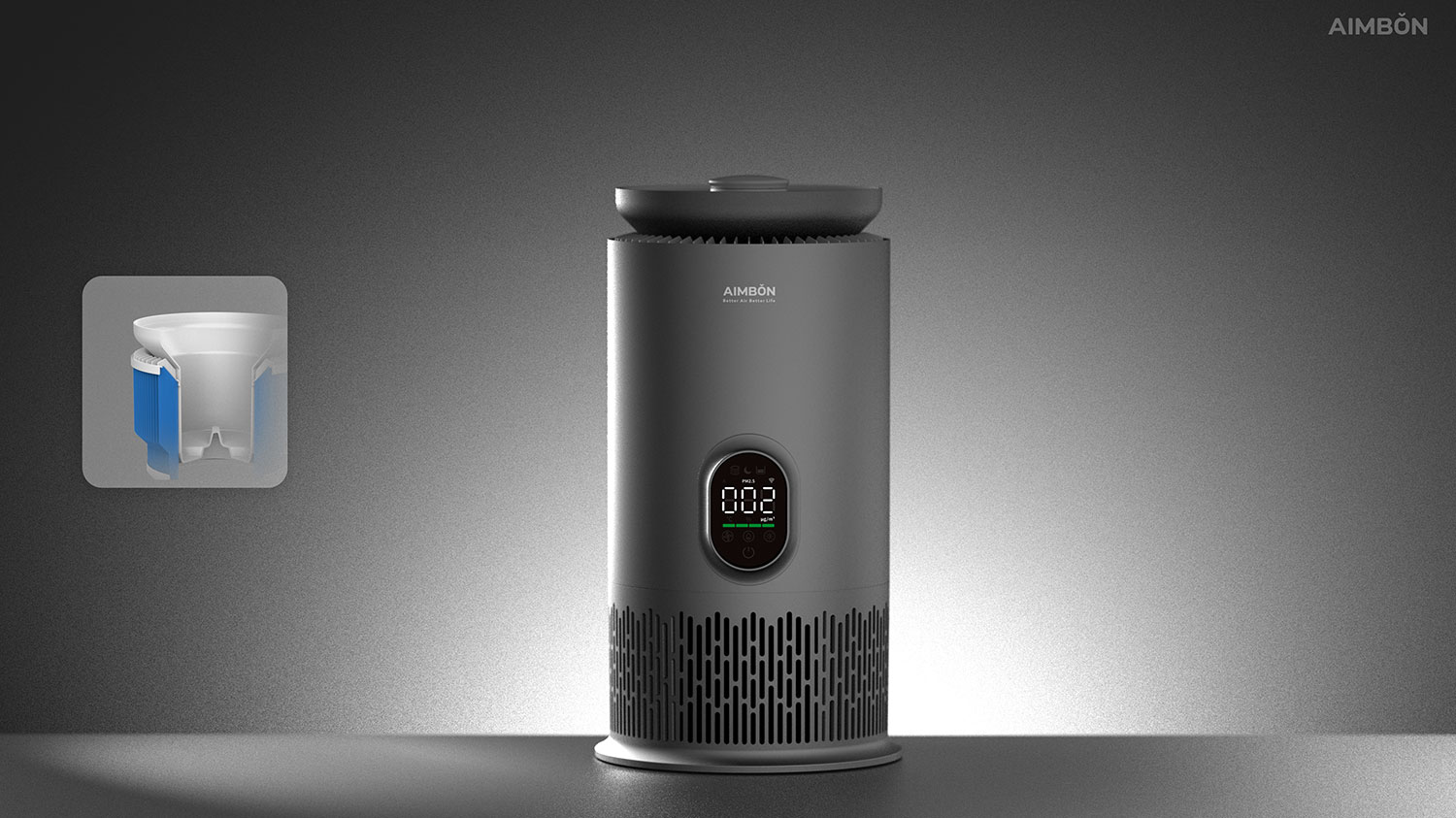
• Use an air purifier: Run a high-performance air purifier indoors to filter fine particles, gases, and other pollutants [citation:1][citation:8][citation:10].
• Contribute to community data: Participate in local air quality monitoring efforts [citation:1][citation:8][citation:10].
For context: on January 17, 2026, when Lahore’s AQI exceeded 500, PM2.5 concentrations were many times higher than WHO guidelines, resulting in dense smog across the city and severely reduced visibility [citation:10]. On such days, staying indoors with proper filtration isn’t just advice—it’s a medical necessity.
The Path Forward
Pakistan’s leadership has acknowledged the challenge. Government initiatives have included introduction of unleaded gasoline, reduction of sulphur in diesel (now Euro 2 compliant), establishment of ambient air quality monitoring stations, national environmental quality standards for industrial emissions, and solid waste management companies [citation:7].
However, experts argue that these measures are not enough. The first step must be making real-time data available to everyone with more detail than currently provided. When people actually know what they’re breathing, they can protect themselves and push for action [citation:6].
Cutting emissions from cars and factories matters too. Unless there’s a widespread shift to cleaner vehicles—and that means affordable ones—emissions will not drop [citation:6].
“This is not the Islamabad I came to 20 years ago,” said Sulaman Ijaz, an anthropologist. “I feel uneasy when I think about what I will say if my daughter asks for clean air—that is her basic right” [citation:5].
Conclusion
Pakistan’s air quality crisis is not new, nor is it improving. From Lahore’s winter smog that regularly ranks among the world’s worst to Islamabad’s vehicle-dominated pollution and Faisalabad’s industrial emissions, millions of Pakistanis breathe air that damages their health with every breath.
The science is clear: PM2.5 at current levels causes immediate respiratory distress, long-term cardiovascular damage, and increased cancer risk. Children, the elderly, and vulnerable populations bear the heaviest burden.
While policy solutions lag, individual action matters. Monitoring air quality, limiting exposure, and using filtration—both masks outdoors and purifiers indoors—can reduce personal risk. But ultimately, Pakistan’s air will only improve when monitoring translates into enforcement, and awareness translates into action.
The air you breathe today shapes your health for years to come. In Pakistan’s cities, that truth has never been more urgent.
References: IQAir Pakistan Air Quality Alert (2026); RSC Publishing Islamabad Metals Study (2026); Associated Press of Pakistan; The Express Tribune; WHO guidelines.