
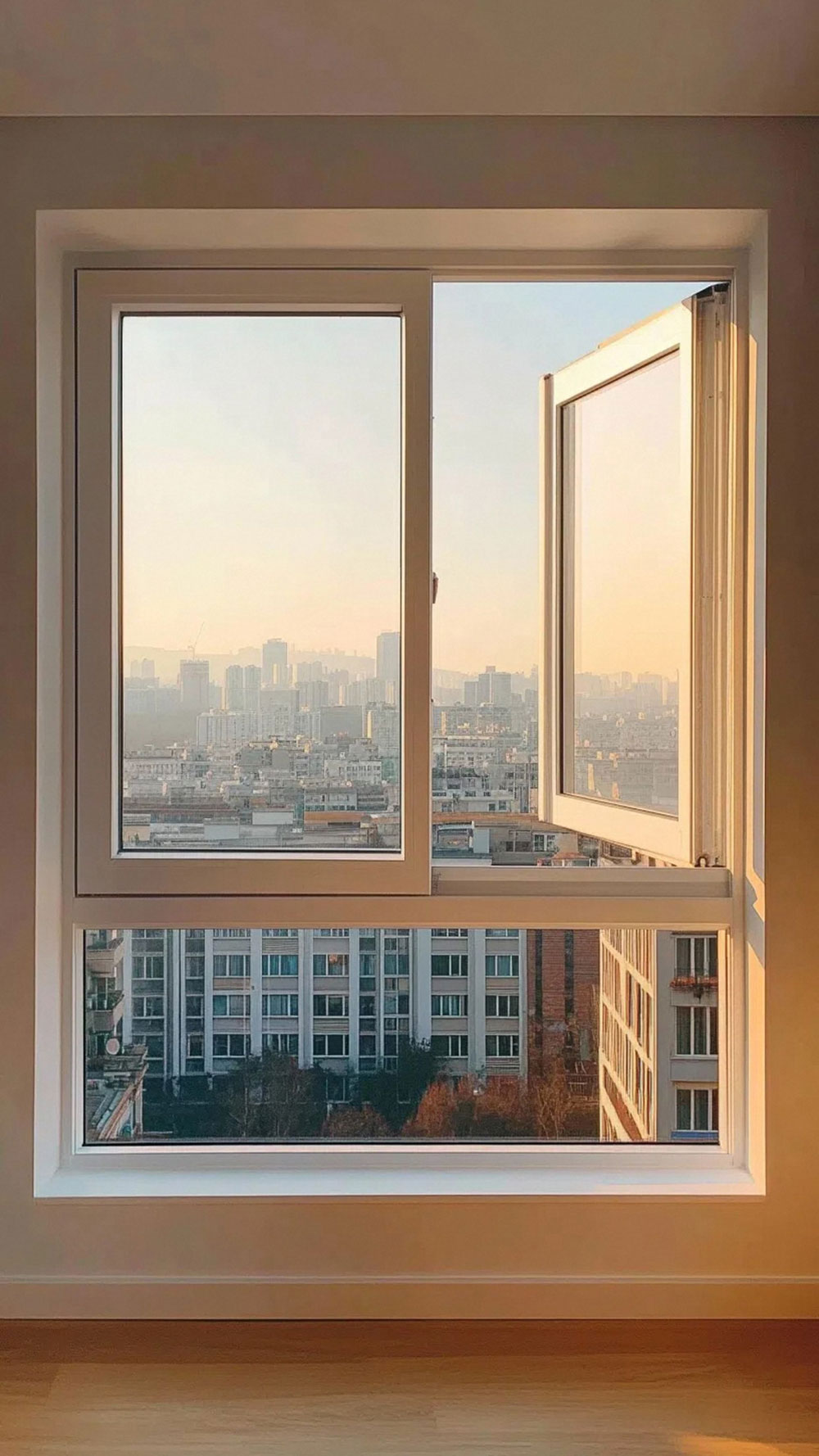
Modern homes are becoming increasingly airtight – double glazing, sealed doors and windows, external wall insulation. While we enjoy quietness and energy efficiency, we also lock fresh air out. Do you often feel dizzy, lack concentration, or have a dry, scratchy throat? These symptoms may not be due to “poor sleep” but rather insufficient indoor ventilation. This article explains from a scientific perspective the multiple health effects of indoor ventilation and provides practical solutions.
I. Indoor Air Pollution: Worse Than You Think
Studies by the US Environmental Protection Agency (EPA) show that indoor air pollution levels are often 2‑5 times higher than outdoors. In sealed environments, pollutant sources include:
- Carbon dioxide (CO₂) exhaled by occupants;
- Formaldehyde, benzene and other VOCs from building materials;
- Cooking fumes and tobacco smoke;
- Dust mites, mould spores, pet dander;
- Chemicals from cleaning products and air fresheners.
When these pollutants cannot be expelled through ventilation, they accumulate indoors, directly threatening respiratory health, cardiovascular health, and cognitive function.
II. Core Health Benefits of Indoor Ventilation
1. Lower CO₂ Concentration, Sharper Brain
An adult exhales about 15‑20 litres of CO₂ per hour. In a sealed bedroom, overnight CO₂ levels can easily exceed 1500 ppm (comfort standard is <800 ppm). High CO₂ levels cause:
- Reduced mental performance, slow reactions;
- Morning headaches, drowsiness;
- Increased fatigue, low mood.
Opening windows for 10‑15 minutes brings CO₂ back to safe levels, significantly improving daytime concentration and work efficiency.
2. Reduce Risk of Respiratory Infections
Pathogens such as influenza and coronavirus survive longer and spread more easily in closed, dry, poorly ventilated spaces. Regular ventilation dilutes airborne virus load and lowers the risk of cross‑infection. A study in classrooms found that improving ventilation reduced respiratory‑related absenteeism by over 30%.
3. Remove “Invisible Poisons” – Formaldehyde and VOCs
Newly renovated furniture, flooring, and wall paints continuously release formaldehyde (emission period of 3‑15 years). Long‑term exposure to low concentrations of formaldehyde can cause chronic respiratory disease and even leukaemia. Opening windows is the simplest and most economical way to remove formaldehyde – as long as outdoor air is not heavily polluted, just 30 minutes of daily ventilation significantly lowers indoor formaldehyde levels.
4. Regulate Humidity, Suppress Mould and Dust Mites
Ventilation removes excess moisture (from bathing, cooking, human evaporation) and keeps relative humidity between 40%‑60%. When humidity exceeds 60%, dust mites and mould proliferate, aggravating allergies and asthma.
5. Eliminate Odours, Increase Living Comfort
Cooking smells, pet odours, mustiness – using air fresheners only masks them. Ventilation actually removes odour molecules, bringing fresh, natural air.
III. How to Ventilate Scientifically: Four Principles
- Principle 1: Create cross‑flow – open windows on opposite sides of the room for rapid air movement; a single window is far less effective.
- Principle 2: Choose the right time – avoid rush hours when outdoor PM2.5 is high; afternoons with good sunshine and atmospheric dispersion are better.
- Principle 3: At least twice a day – 10‑30 minutes each time, even in winter.
- Principle 4: Use ventilation or purifiers during extreme weather – on smoggy, dusty, or high‑pollen days, opening windows brings in pollutants; instead close windows and use an air purifier with HEPA filter or a mechanical ventilation system.
IV. The Limitations of Ventilation – When Do You Need an Air Purifier?
Although ventilation is fundamental, it has shortcomings:
- When outdoor pollution is severe (PM2.5 >150), opening windows is like “breathing poison”;
- In severe winter cold or summer heat, long‑term window opening is impractical;
- Ventilation cannot remove dust mites or mould already settled on surfaces;
- It cannot actively decompose chemical pollutants like formaldehyde (needs continuous cleaning).
In such cases, an air purifier becomes the perfect complement. For example, the Aimbon T3 purifier‑humidifier combo uses Water‑Gate Technology to continuously filter PM2.5, decompose formaldehyde, and automatically maintain 45%‑55% comfortable humidity – even with windows closed. Its sleep mode operates at just 25 dB, so it won’t disturb your rest even when running all night. The scientific approach: ventilate during the day, and use a purifier at night or during pollution episodes. Combining both creates a truly healthy home.
V. Conclusion: Let Your Home “Breathe” for Lasting Health
The importance of indoor ventilation for your health cannot be overstated. It is one of the cheapest and most effective health investments. Spending a few minutes each day to create cross‑ventilation can significantly lower CO₂, expel pollutants, regulate humidity, and reduce germs. And when the weather does not permit opening windows, a reliable air purifier or purifier‑humidifier can continue to guard every breath you take. Starting today, form a habit of scientific ventilation and turn your home into a true healthy haven.
Aimbon · Water‑Gate Technology – purifying and humidifying in one, the second line of health defence beyond ventilation.