

Having understood the AQI (Air Quality Index) as the “barometer” of air pollution, a direct question follows: when the outdoor AQI soars to orange, red, or even purple, can we create a safe breathing space for ourselves? The answer is yes. While an air purifier cannot alter the city-wide outdoor AQI value, it can act directly and efficiently on your immediate indoor environment. Its core value lies in this: consistently maintaining the “micro-environment AQI” of your personal breathing zone within the healthy green range, thereby constructing a vital line of personal health defense against a backdrop of broader pollution.
Part 1: Understanding the “Two” AQIs: Outdoor Index vs. Indoor Micro-environment
A key concept must be clarified first:
Outdoor AQI: Released by official monitoring stations, it reflects the overall atmospheric pollution level of a city or region, controlled by macro factors like weather and emission sources, which individuals cannot easily change.
Indoor Micro-environment Air Quality (understood as “Indoor Equivalent AQI”): This refers to the air pollution level within enclosed spaces like your home or office. It is initially influenced by the infiltration of outdoor air but is more decisively determined by indoor pollution sources (cooking fumes, furniture off-gassing, dust mites, pet dander, etc.) and air purification measures.
The air purifier’s target is precisely the latter. When outdoor pollution is severe, closing windows and doors can block some pollutants, but fine particulate matter (PM2.5) and gaseous pollutants still seep in slowly, combining with existing indoor pollution. An efficient air purifier, by continuously circulating and purifying the indoor air, can proactively reduce the concentration of these pollutants to very low levels.
Part 2: How Does an Air Purifier Lock the “Indoor AQI” in the Green?
The AQI is calculated based on the concentration of multiple pollutants. Air purifiers directly reduce the concentration of these key pollutants through their filtration systems, effectively lowering the “indoor equivalent AQI.”
Precision Targeting of Core Pollutants:
Against Particulate Matter (PM2.5/PM10): This is the most common and primary factor determining AQI values. An air purifier equipped with a HEPA (High-Efficiency Particulate Air) filter can physically remove over 99.97% of particles as small as 0.3 microns, including dust, pollen, and smoke. This is the most direct method to pull the “indoor AQI” from high levels back into the green.
Against Some Gaseous Pollutants: For formaldehyde, TVOCs (Total Volatile Organic Compounds), and odorous gases like sulfur dioxide and nitrogen oxides, high-quality activated carbon filters or composite catalytic filters can adsorb or decompose them. This addresses indoor renovation pollution and living odors, further ensuring comprehensive air cleanliness.
Achieving Dynamic Balance and Continuous Protection:
A purifier does not filter once; it establishes a dynamic purification field. It continuously draws in polluted air, filters it, and releases clean air. With windows and doors properly closed, it can effectively counteract both the continuous infiltration of outdoor pollution and occasional indoor pollution (like cooking), keeping indoor pollutant concentrations stable at low levels. This is equivalent to keeping the needle of the “indoor AQI” gauge consistently pointing to the green zone.
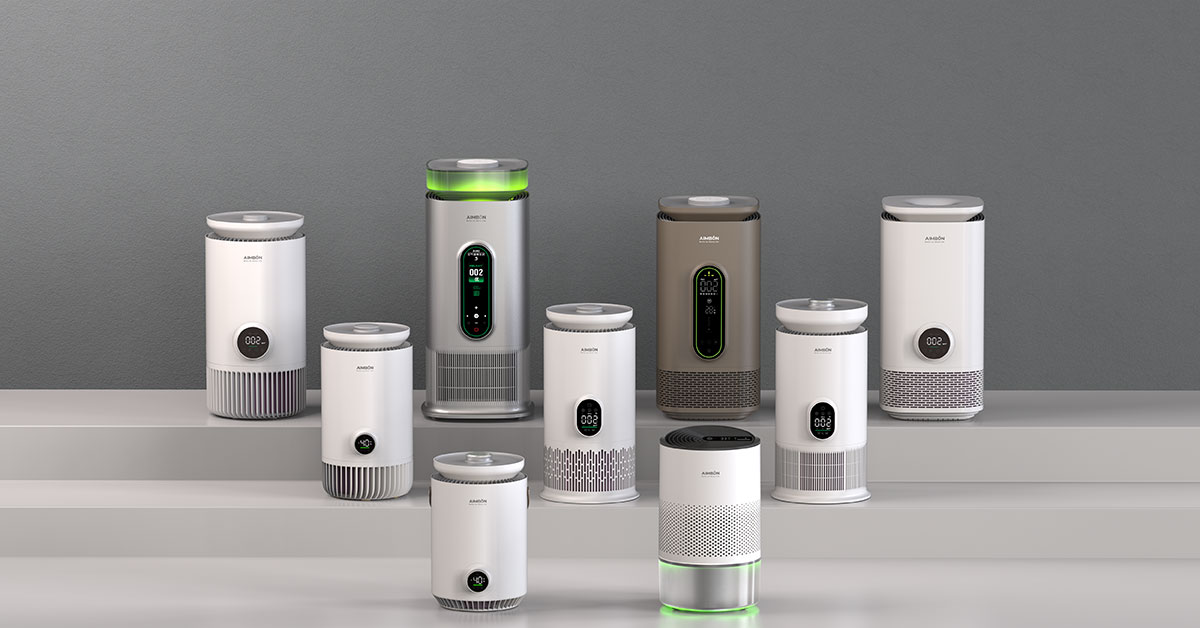
Part 3: The Profound Impact of Maintaining a “Green” Indoor AQI on Health and Air Governance
For Personal and Family Health: Providing Certain Protection
Reducing Disease Risk: Long-term exposure to high AQI environments increases the risk of respiratory and cardiovascular diseases. Maintaining air quality in primary living spaces at green levels significantly reduces these health threats, especially protecting children, the elderly, and sensitive individuals.
Safeguarding Sleep and Cognition: Clean air contributes to improved sleep quality (deep sleep stages) and daytime cognitive function, which is directly linked to low pollution levels.
Creating a Restorative Environment: On high outdoor pollution days, a home with a green AQI becomes a “recovery station” for the body and respiratory system, avoiding 24/7 pollution exposure.
For Public Environmental Governance: A Vital Supplement and Buffer
Reducing Population Exposure Burden: When a large number of households and buildings use air purifiers to maintain good indoor air, the total exposure time of the population to highly polluted environments is collectively reduced. This helps alleviate pressure on public health systems related to pollution.
Enhancing Societal Resilience: As regional air pollution control works towards long-term success, the widespread use of air purifiers provides valuable “adaptive resilience” for society. It cannot replace source emission reduction, but it can effectively mitigate the immediate impact of pollution events on public health, buying time for macro-level governance.
Strengthening Public Environmental Awareness: By using purifiers and paying attention to indoor air quality data, the public gains a more intuitive understanding of the effects of air pollution, thereby becoming more proactive in supporting and participating in environmental actions.
Conclusion
In summary, the relationship between an air purifier and the AQI can be likened to “global climate” and “indoor air conditioning.” We cannot use air conditioning to change the climate, but we can rely on it to create a comfortable and pleasant indoor temperature for ourselves. Similarly, an air purifier may not directly turn a city’s AQI map green, but it can, with a high degree of certainty, create a “breathing oasis” with a persistently green AQI for you and your family’s lungs.
In an era where air pollution remains a global challenge, proactively managing indoor air quality to green standards is a wise practice offering both immediate protection and long-term health benefits. It represents a modern health philosophy: while caring about macro-environmental quality, we take more active and responsible control over our most direct and important micro-environment.