
Part 1: The Chemical Composition of Tobacco Smoke – Emissions from a “Micro-Scale Chemical Plant”
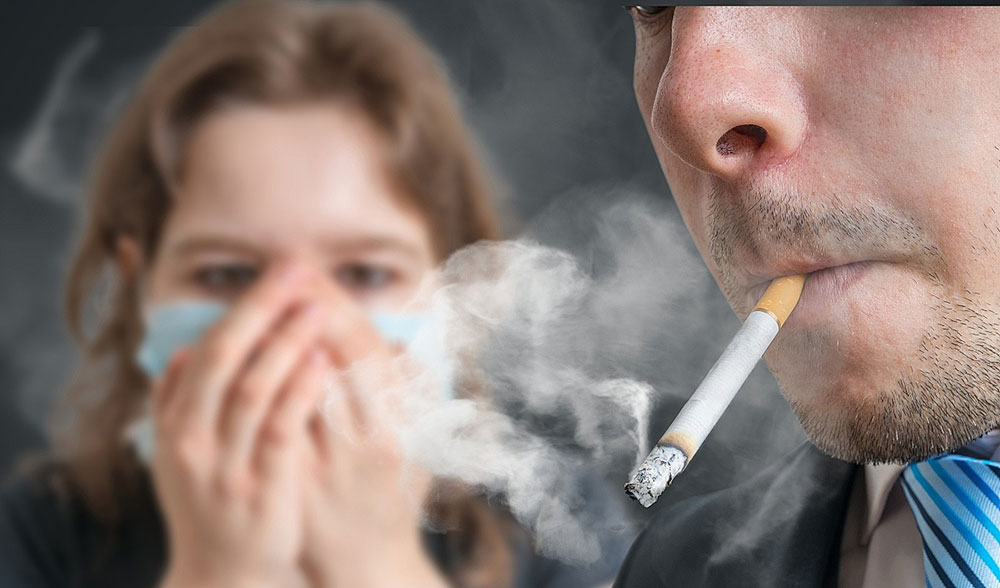
A lit cigarette is a chemical reactor of incomplete combustion. The resulting smoke is a complex aerosol mixture of over 7,000 chemical compounds, at least 69 of which are known carcinogens. From an air pollutant perspective, its components fall into these categories:
Particulate Matter (PM):
PM2.5 and Ultrafine Particles: Tobacco smoke is a primary source of indoor PM2.5. The particles generated are extremely small (mostly under 0.1 microns), allowing them to penetrate the alveolar barrier into the bloodstream and remain suspended in air for extended periods.
Toxic Coatings: These particulates carry adsorbed toxic compounds like polycyclic aromatic hydrocarbons (PAHs) and heavy metals (e.g., cadmium, lead).
Gaseous Pollutants:
Carbon Monoxide (CO): Binds to hemoglobin 200-250 times more readily than oxygen, reducing blood’s oxygen-carrying capacity and significantly stressing the cardiovascular system.
Volatile Organic Compounds (VOCs): Include potent carcinogens like benzene (a known cause of leukemia), formaldehyde, and acetaldehyde.
Irritant Gases: Such as hydrogen cyanide, acrolein, and ammonia, which directly irritate and damage respiratory tract linings.
Nicotine and Tobacco-Specific Nitrosamines (TSNAs):
Nicotine is the addictive substance, while TSNAs (like NNK and NNN) are among the most potent carcinogens found in tobacco.
Part 2: Direct Impact on Indoor Air Quality – Data and Phenomena
The pollution from smoking indoors is instantaneous, severe, and persistent.
PM2.5 Concentration “Off the Charts”:
Lighting a single cigarette in a sealed room (~30 m²) can cause indoor PM2.5 levels to skyrocket from good (<35 μg/m³) to over 500 μg/m³ (hazardous levels) within minutes. It can take hours or longer (depending on ventilation) to dissipate.
For context, severe smog in Beijing typically results in outdoor PM2.5 concentrations around 200-300 μg/m³.
Skewed AQI Readings:
Indoor smoking can instantly drive the PM2.5-based Air Quality Index (AQI) to its “Hazardous” maximum (often 500), making standard outdoor air quality reports irrelevant to the actual extreme pollution indoors.
The Long-Term Residue of “Thirdhand Smoke”:
This is the most overlooked hazard. Smoke chemicals settle and adsorb onto walls, furniture, carpets, curtains, and even dust, forming thirdhand smoke.
These residues (especially nicotine) can react with common indoor pollutants (like nitrous acid) to form new carcinogens (e.g., additional TSNAs).
Thirdhand smoke can persist for weeks to months, continuously affecting humans through skin contact and inhalation of resuspended dust, posing a particular threat to infants and young children.
Part 3: Comparative Perspective with Other Pollution Sources
To better understand its severity, here is a brief comparison:
| Pollution Scenario | Key Pollutants | Hazard Profile | Controllability |
|---|---|---|---|
| Indoor Smoking | PM2.5, VOCs, CO, Carcinogens | Extremely high concentration, point-source爆发, strong mixed toxicity, thirdhand smoke residue | Fully Controllable (behavior-dependent) |
| Urban Smog | PM2.5, PM10, NO₂, O₃ | Wide area, influenced by meteorology, relatively “uniform” concentration | Difficult for individuals to control, relies on protection |
| Cooking Fumes | PM2.5, VOCs, Acrolein | Related to cooking methods, high concentration during high-heat cooking | Can be controlled effectively via ventilation & purification |
| Renovation Pollution | Formaldehyde, Benzene, VOCs | Long-term slow release, high initial concentration | Controllable via material selection, ventilation, purification |
Core Conclusion: From an indoor air quality control standpoint, smoking is a “self-imposed, extremely high-intensity, multi-pollutant composite” source. The instantaneous pollutant concentrations it generates far exceed those from most outdoor pollution and daily indoor activities. To create a truly healthy indoor air environment (akin to the “post-rain forest” or “Green AQI” concept previously discussed), the elimination of indoor smoking is an absolute prerequisite.