

For millions grappling with respiratory conditions like rhinitis, asthma, and allergic coughs, the world can feel like it’s viewed through an invisible “allergy filter.” Changing seasons, dust in the air, or even routine cleaning at home can trigger a cascade of unbearable reactions: nasal congestion, runny nose, relentless sneezing, itchy eyes, throat irritation, and even chest tightness or shortness of breath. These symptoms not only disrupt daily life and work efficiency but also chronically drain a person’s energy and quality of life. While we cannot fully control the external environment, transforming our living spaces into clean “breathing sanctuaries” becomes key to managing symptoms and reclaiming comfortable respiration. In this context, a high-efficiency air purifier is no longer just a household appliance; it is an essential piece of “respiratory health infrastructure.”
Understanding the Enemy: Respiratory System “Provocateurs” in Indoor Air
To defend effectively, we must first identify the common irritants and allergens lurking in our home air:
Biological Allergens (Microscopic “Unwanted Guests”):
Dust Mites and Their Droppings: Inhabit bedding, sofas, and carpets, they are the number one indoor culprit behind perennial rhinitis and asthma.
Pollen: A primary seasonal challenge, it can drift indoors through window and door gaps, triggering seasonal allergic rhinitis (hay fever).
Mold Spores: Thrive in damp corners (e.g., bathrooms, kitchens) and spread through the air, easily inducing or worsening respiratory symptoms.
Pet Dander: Tiny skin flakes shed by pets like cats and dogs are potent, protein-based allergens.
Physical & Chemical Irritants (Ubiquitous “Invisible Stimuli”):
PM2.5 and Other Suspended Particles: Enter from outdoor pollution or come from sources like cooking fumes. They can carry other allergens deep into the alveoli, directly causing inflammatory responses.
Volatile Organic Compounds (VOCs): Released from new furniture, paint, cleaning agents, perfumes, etc. Their odors and chemical nature continuously irritate the already hyper-reactive respiratory mucosa, leading to persistent symptoms.
Secondhand/Thirdhand Tobacco Smoke: Contains numerous irritating chemicals and ultrafine particles, acting as a strong respiratory irritant.
These pollutants mix and accumulate in indoor air, creating a microenvironment that continuously challenges the immune balance of the respiratory system. For sensitive individuals, reducing the concentration of these triggers is a fundamental way to ease the burden on the immune system and alleviate symptoms.
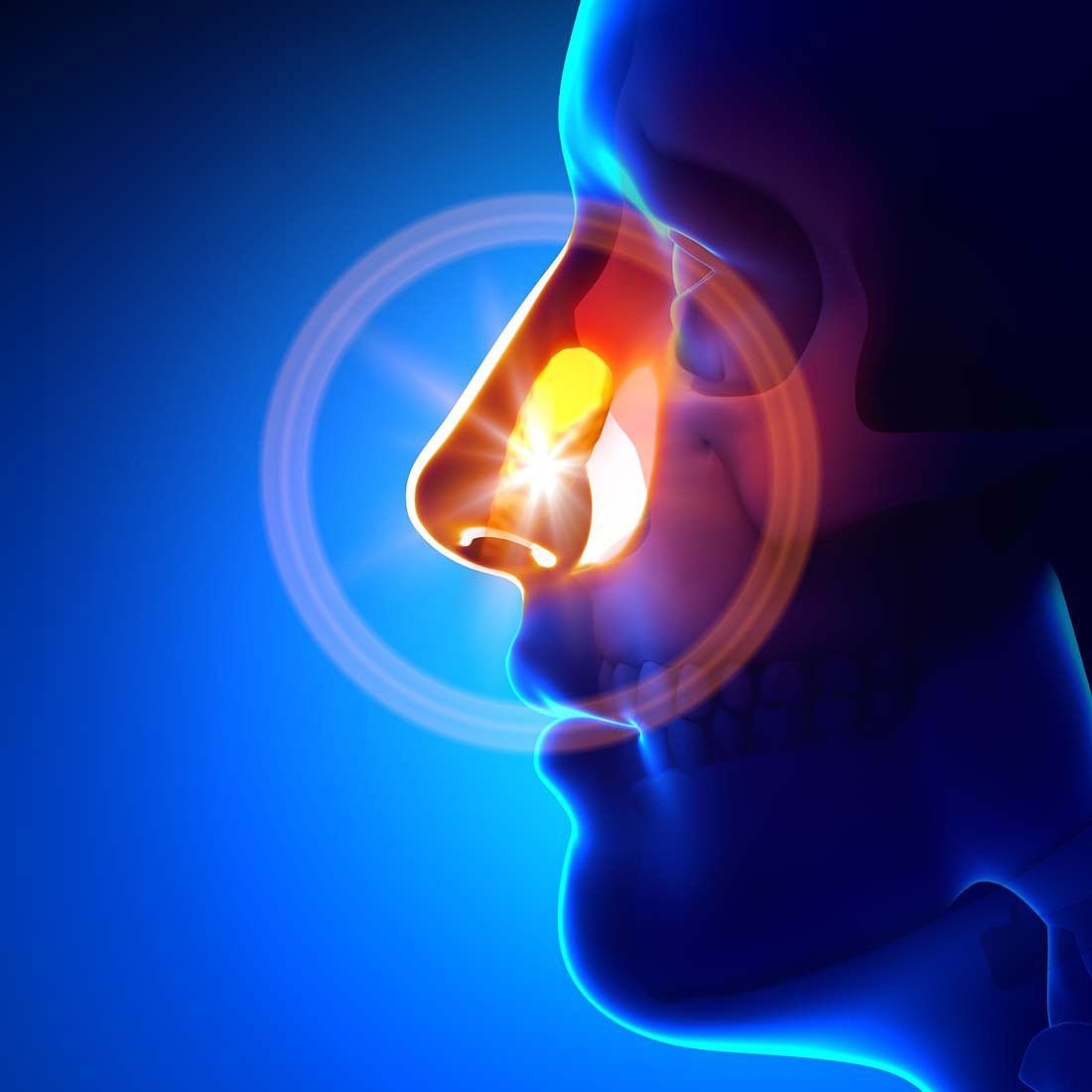
The Air Purifier: Actively Filtering a “Low-Allergen Zone” for You
The core function of an air purifier is to actively circulate and filter indoor air, physically removing the aforementioned pollutants, thereby creating a microenvironment with significantly reduced concentrations of allergens and irritants. This provides a “burden-reduction buffer zone” for your respiratory system.
A high-quality air purifier designed for respiratory health typically works through a multi-layer filter system:
Pre-filter: Traps large particles like hair and dust, extending the life of the core filters.
True HEPA Filter (The Core): This is the “main force” against allergens. It effectively captures 99.97% or more of particles as small as 0.3 microns. This means dust mite waste, pollen, mold spores, pet dander, and most bacteria and virus aerosols are trapped within the filter, unable to recirculate indoors.
High-Capacity Activated Carbon Filter (Key Support): Responsible for adsorbing and locking away gaseous pollutants like VOCs, odors, and formaldehyde. This layer of purification is crucial for patients whose symptoms are worsened by chemical irritants, as it reduces non-specific chemical stimulation of the airways.
Optional Enhancement Technologies: Some devices include UV-C lamps or negative ion generators. The former can aid in deactivating microorganisms on the filter, while the latter helps micro-dust agglomerate, making it easier for the filter to capture.
What Does Owning an Air Purifier Mean for Someone with Respiratory Illness?
Significantly Reduces Daily Symptom Burden: Running an air purifier continuously in the bedroom (for sleep) or living room (for daytime activities) dramatically reduces a patient’s exposure dose to core allergens during critical times. Many users report that after consistent use, the frequency and severity of morning sneezing and nighttime congestion noticeably decrease, leading to improved sleep quality.
Reduces Medication Reliance, Improves Quality of Life: In an environment where allergen concentrations are controlled, inflammatory responses in the airways are reduced. This helps patients navigate allergy seasons more smoothly and may lessen the need for and dosage of symptom-relief medications, shifting from passive treatment to proactive environmental management.
Provides Year-Round Protection for Vulnerable Respiration: It targets not only seasonal pollen but also tackles indoor perennial threats like dust mites, mold, and pet allergens year-round. For individuals with non-allergic rhinitis (vasomotor rhinitis), clean air can also reduce nasal hyperactivity triggered by non-specific factors like temperature changes, dust, or odors.
Creates a Safe Core Zone at Home: For families with allergy-prone children, placing an air purifier in the child’s room provides a safer, less irritating breathing environment for growth, helping to lower the risk of asthma attacks.
How to Choose an Air Purifier Suitable for Respiratory Health Management?
To achieve ideal health protection, focus on these key points when selecting a device:
Look for the True HEPA Standard: Ensure the core filter is a genuine HEPA-grade filter. This is the foundation for efficient allergen removal.
Pay Attention to CADR (Clean Air Delivery Rate): Choose a CADR value (especially for Dust and Pollen) that matches or exceeds your room size. This ensures the purification speed can keep up with pollution generation and infiltration.
Prioritize Gaseous Pollutant Handling: Select a model with a substantial, dense activated carbon filter to effectively adsorb VOCs and odors.
Consider Operational Noise and Fan Speed Settings: Ensure the device is quiet enough on its lower settings for long-term use in the bedroom at night.
Replace Filters Regularly: Follow the manufacturer’s instructions strictly. A spent filter is not only ineffective but can become a source of secondary pollution.
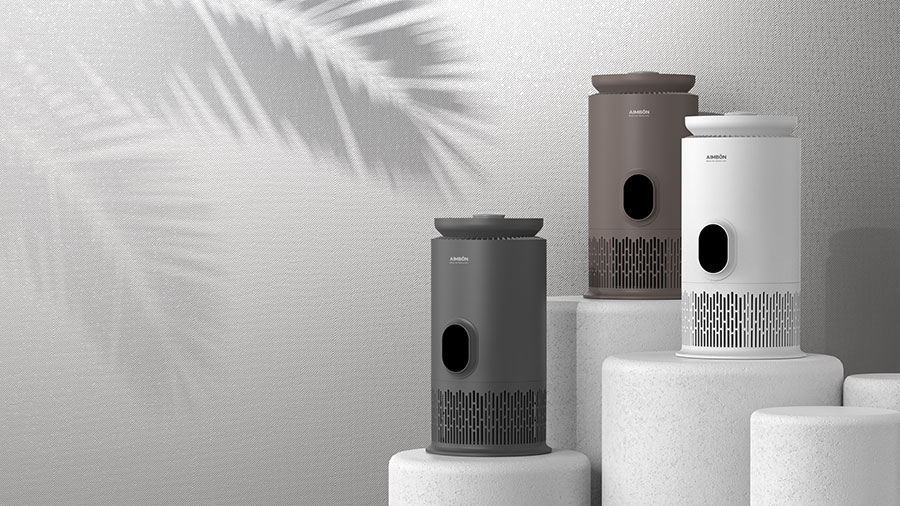
Conclusion: An Investment in Every Free Breath
Breathing should be an unconscious, effortless process. Yet, for those with sensitive respiratory systems, it can become a constant, vigilant burden. Investing in a reliable, high-performance air purifier is a proactive health management decision that targets the root causes of symptoms. It uses engineering to establish an active, continuous, and quiet physical barrier between you and the complex mix of allergens and irritants.
Having such a device at home means you are not just cleaning the air; you are rebuilding a safe harbor where you and your loved ones can breathe deeply and freely again. Allowing every breath to be easier and more liberated is perhaps one of the warmest gifts technology can offer to sensitive lives.