
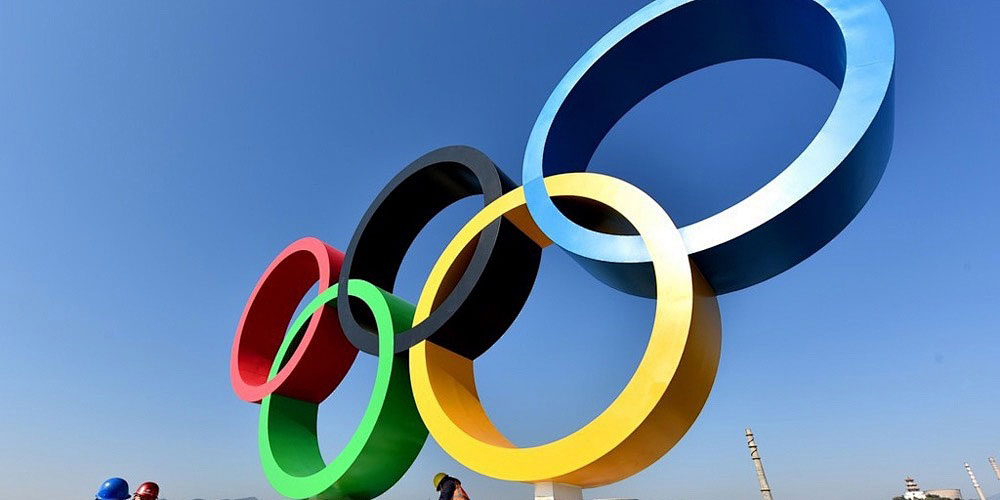
A bid to host the Olympic Games is a statement of national ambition, promising world-class infrastructure and a healthy environment for peak athletic performance. However, a formidable modern challenge now stands in the way for many aspiring hosts: severe air pollution. For nations like India, where several cities frequently grapple with some of the world’s poorest air quality, this environmental crisis transcends public health—it has become a significant soft-power liability that could undermine its prospects on the global sporting stage.
The Invisible Hurdle: Air Quality as a Modern Prerequisite
The International Olympic Committee (IOC) now explicitly emphasizes sustainability and legacy. A host city must demonstrate not just the ability to build venues, but also to provide a safe and healthy environment for thousands of athletes and visitors. The precedent is clear. Before the 2008 Beijing Games, intense international scrutiny on air quality led to drastic, short-term pollution control measures. Today, the issue is a permanent fixture in bid evaluations.
The concerns are multifaceted and serious:
Athlete Performance and Safety: During competition, athletes breathe in 10 to 20 times more air than at rest. High levels of PM2.5 and other pollutants can cause immediate respiratory irritation, reduce lung function, and impair cardiovascular performance. This creates an uneven playing field and raises ethical questions about subjecting competitors to unnecessary health risks.
Operational Reliability: Dense, persistent smog can force the postponement of outdoor events like marathons, cycling, or tennis, jeopardizing the tightly scheduled Olympic calendar and creating a logistical nightmare for organizers.
Global Image and Legacy: A city shrouded in haze during the Games broadcasts a negative image to the world, contradicting messages of vitality and progress. The promised “legacy” of the Games risks being remembered for poor environmental stewardship rather than sporting achievement.
For India, whose northern plains experience debilitating air pollution every winter, this is not a hypothetical challenge. It is a visible, measurable, and widely reported crisis that would be at the forefront of any evaluation committee’s assessment.
Beyond the Podium: A National Health and Economic Imperative
The discussion extends far beyond a two-week sporting event. Chronic air pollution represents a profound national challenge, affecting economic productivity, healthcare costs, and the quality of life for hundreds of millions. It influences where international corporations choose to locate and where global talent decides to live. Successfully bidding for and hosting the Olympics requires demonstrating systemic progress on this front—proof of a long-term commitment to environmental governance that benefits citizens every day, not just during the Games.
The Personal Defense: The Critical Role of Air Purifiers
While systemic, government-led environmental reform is the ultimate solution, it is a complex, long-term endeavor. For individuals and families living in heavily polluted regions, the need for clean air is immediate and non-negotiable. This is where high-efficiency air purification technology transitions from a luxury to an essential component of daily health and well-being.
During prolonged periods of poor outdoor air quality, our homes and offices must become sanctuaries. A robust air purifier with a true HEPA filter acts as a reliable barrier, removing the vast majority of harmful particulate matter from indoor air. This is crucial for:
Protecting Vulnerable Groups: Ensuring children, the elderly, and those with pre-existing respiratory conditions have a safe space to breathe and recover.
Safeguarding Sleep and Recovery: Clean air is fundamental to restorative sleep. By removing irritants, air purifiers help support the deep sleep cycles during which the body and mind undergo critical repair.
Maintaining Daily Wellness: Reducing exposure to pollutants indoors can alleviate symptoms like headaches, fatigue, and poor concentration, supporting overall productivity and quality of life.
Investing in a quality air purifier is a pragmatic, actionable step for personal health management. It represents an individual’s commitment to well-being while broader societal solutions take shape.
Conclusion: A Dual-Pathway to a Cleaner Future
The quest for cleaner air, therefore, operates on two parallel tracks. For a nation, it is a strategic imperative that involves energy policy, industrial regulation, and urban planning—a decisive factor in its global standing and its ability to host prestigious international events. For its people, it is a daily reality addressed through personal choices and technologies that safeguard their immediate environment.
Ultimately, the challenge of air pollution reveals a shared truth: the right to breathe clean air is foundational. Whether viewed through the lens of global sport or personal health, it is a goal that demands ambition, innovation, and unwavering commitment at every level of society.